
Skip to content

Cart

Your cart is empty

Pelham Bits

Pelham is a combination bit essentially combining the action of the double bridle into a single bit. Pelhams can be used with a double rein or a converter which would mediate the action between the snaffle and the curb rein to somewhere in the middle. 

The curb strap can be a chain or a leather strap, which must be fitted so that shanks cannot move past 45 degrees upon engagement of the reins for correct bit action.

Often used in show jumping and equitation, pelhams are a great alternative to gag bits when the horse responds better to pressure on the chin groove over pressure on the poll and corners of the mouth. 

Sort by

7 products

Filters

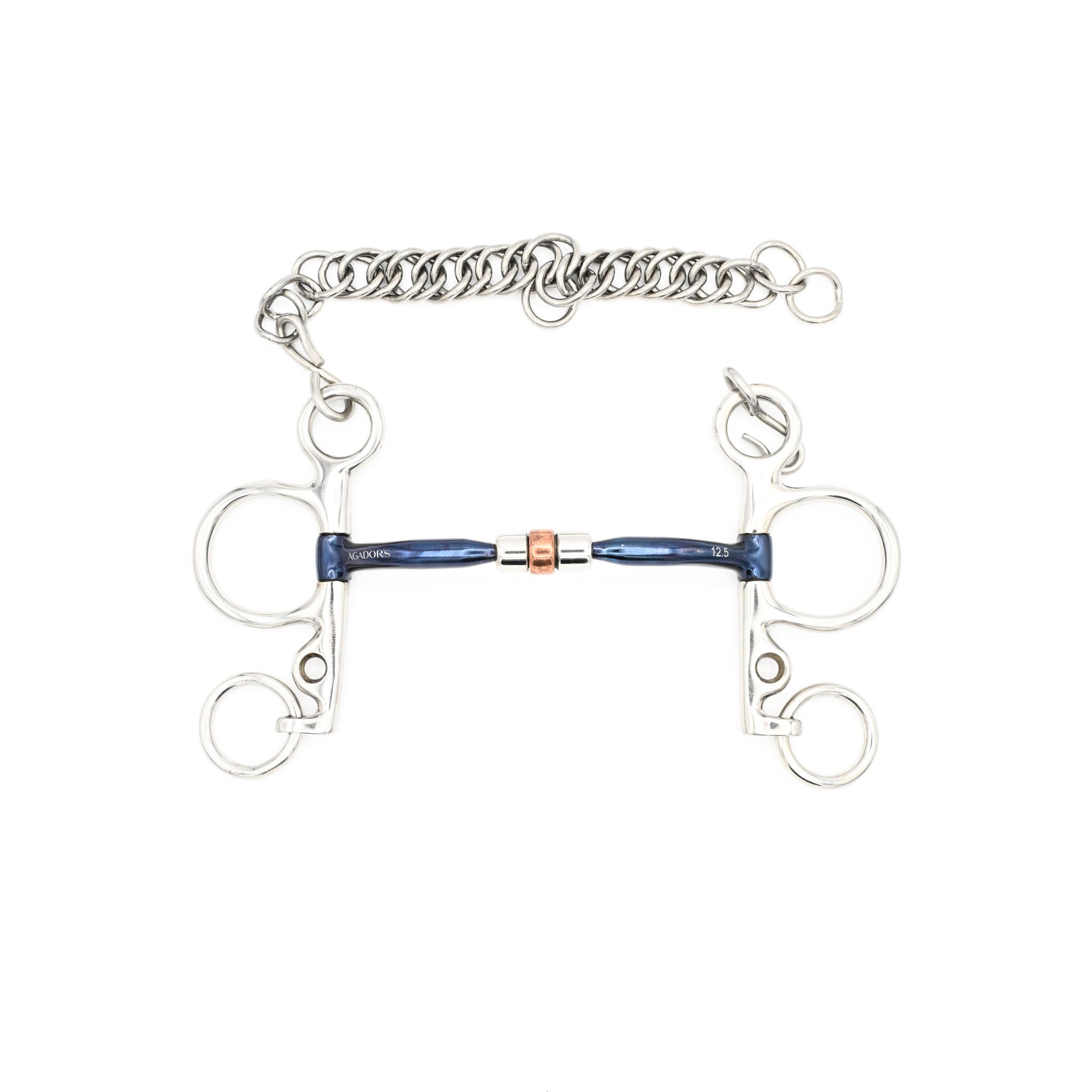
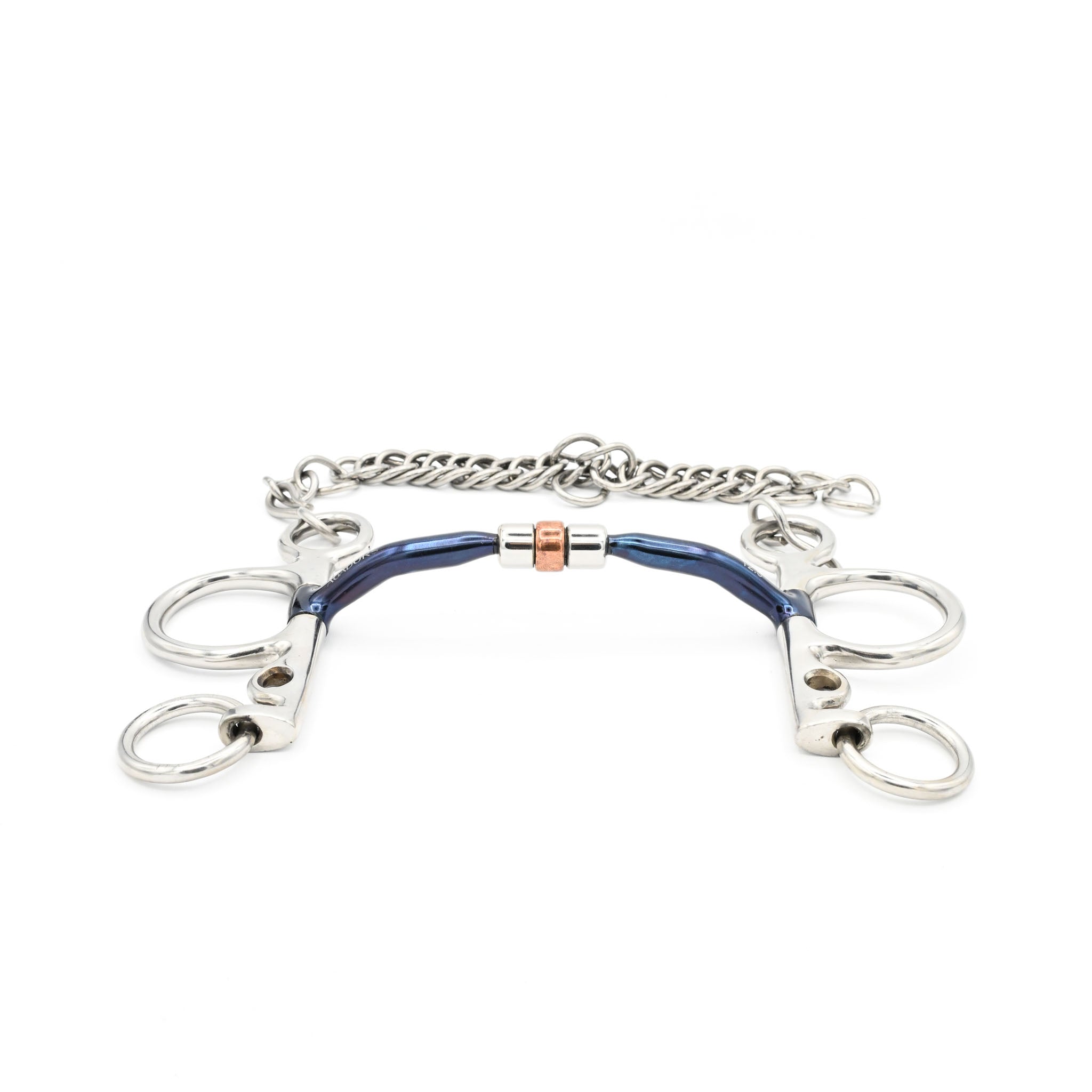
CalmBlue Baby PelhamCalmBlue Baby Pelham
CalmBlue Baby Pelham (4.0) Sale price$94.90 CAD

tongue relief with sweet iron and copper roller

for double bridle precision in one bit
Final SaleSave 37% ComfortArch Baby PelhamComfortArch Baby Pelham
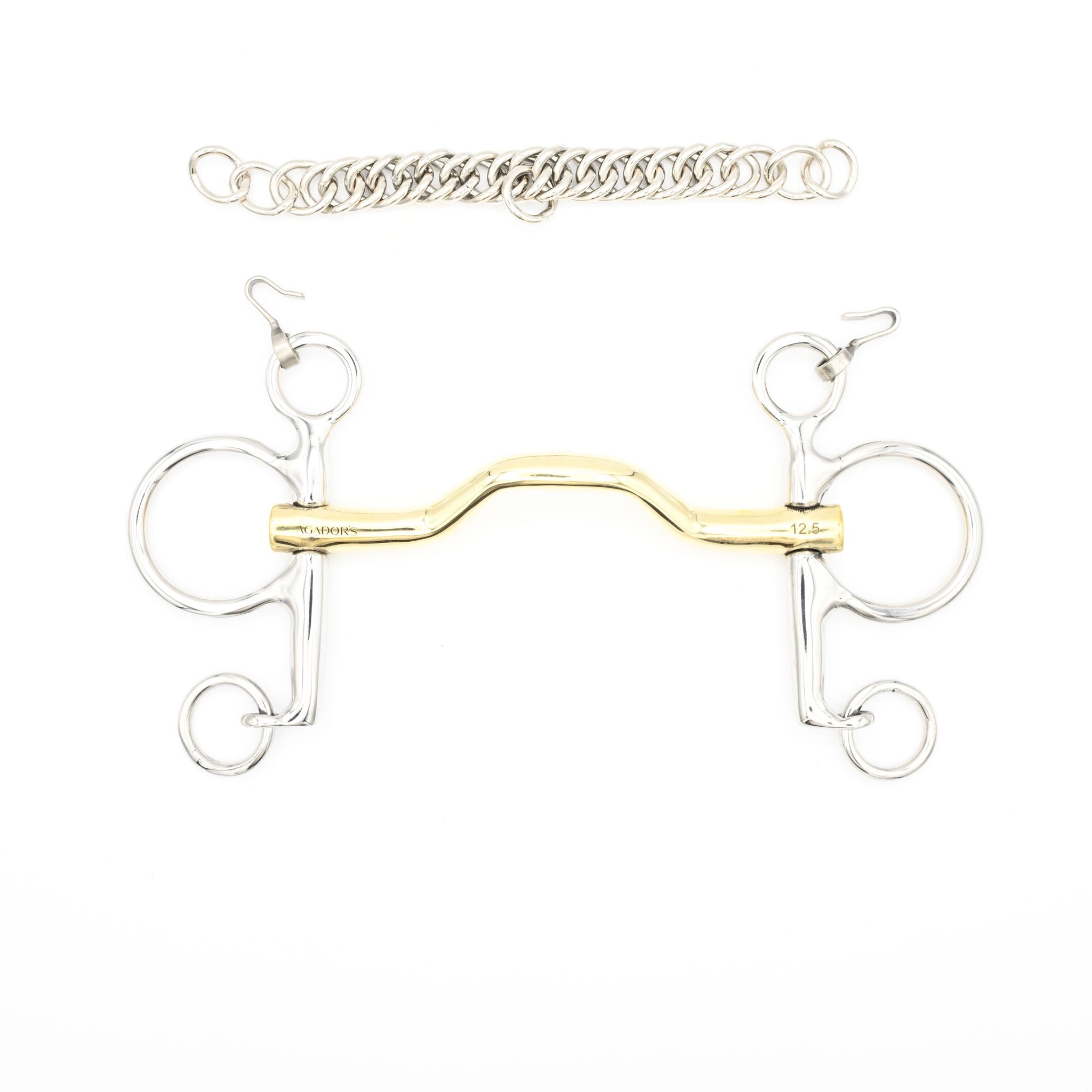
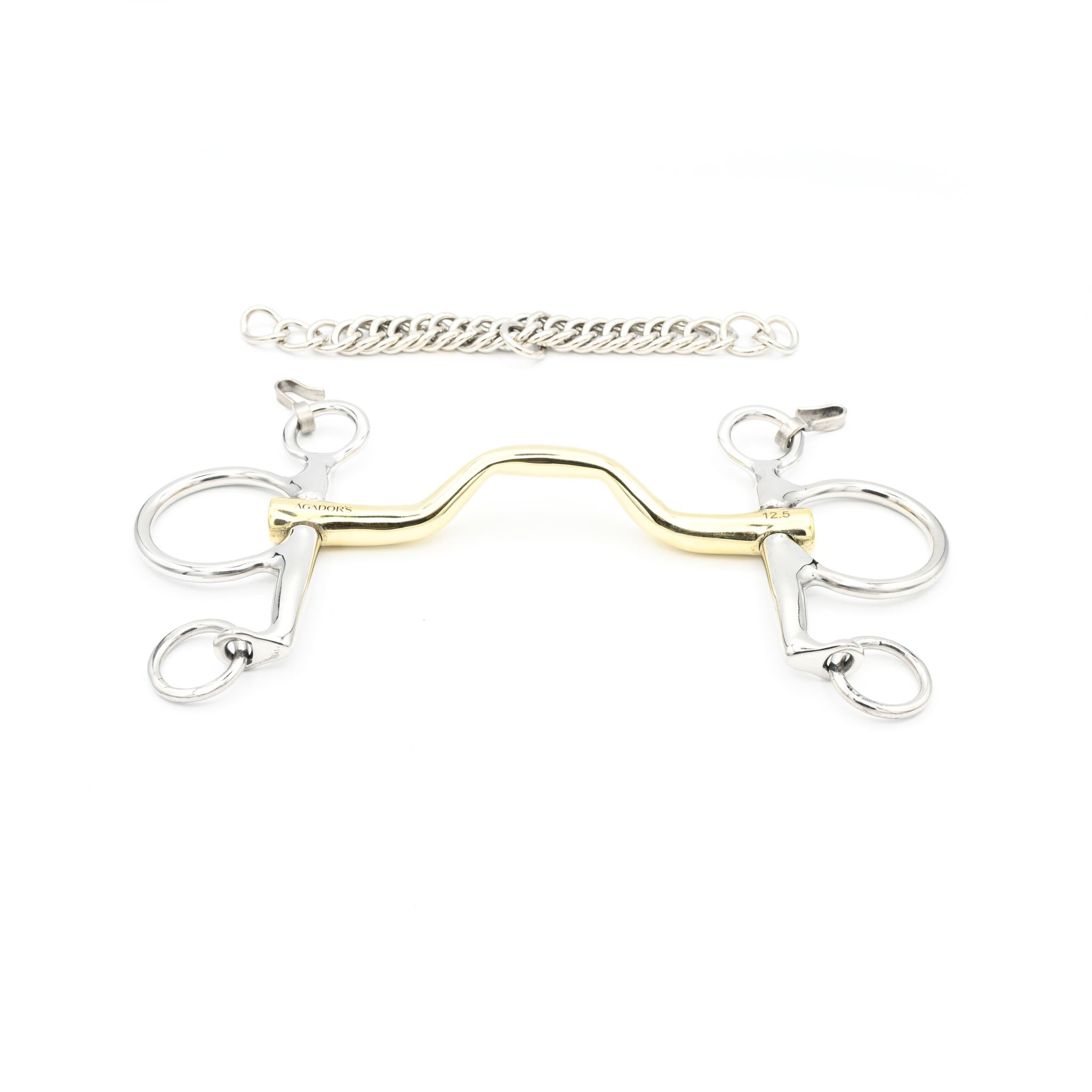
ComfortArch Baby Pelham (Final Sale) (5.0) Sale price$59.90 CAD Regular price$94.90 CAD

stable tongue relief without moving parts

for double bridle precision in one bit
BlueShape Baby PelhamBlueShape Baby Pelham
BlueShape Baby Pelham (4.0) Sale price$79.90 CAD

smooth Waterford that prevents fixing

for double bridle precision in one bit
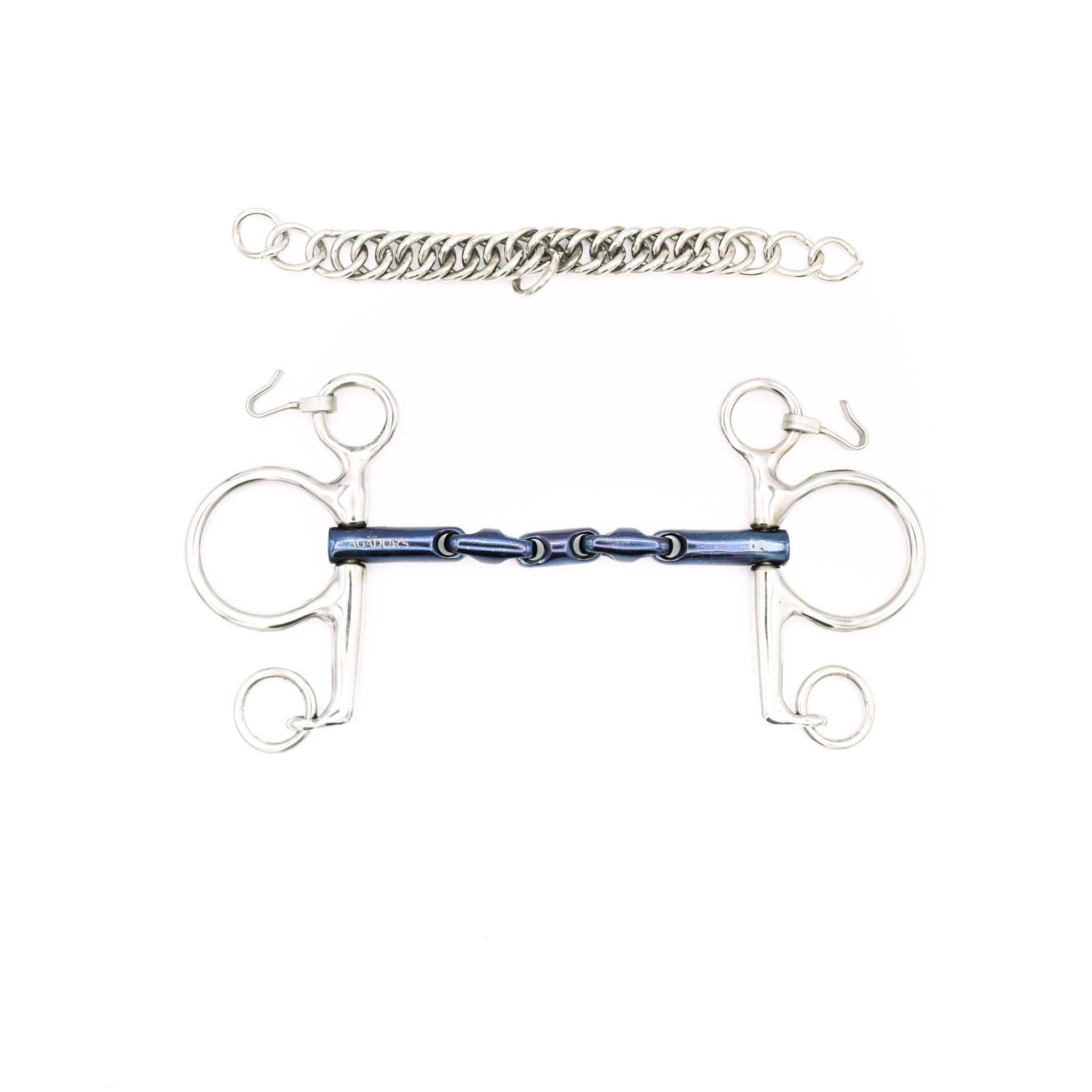
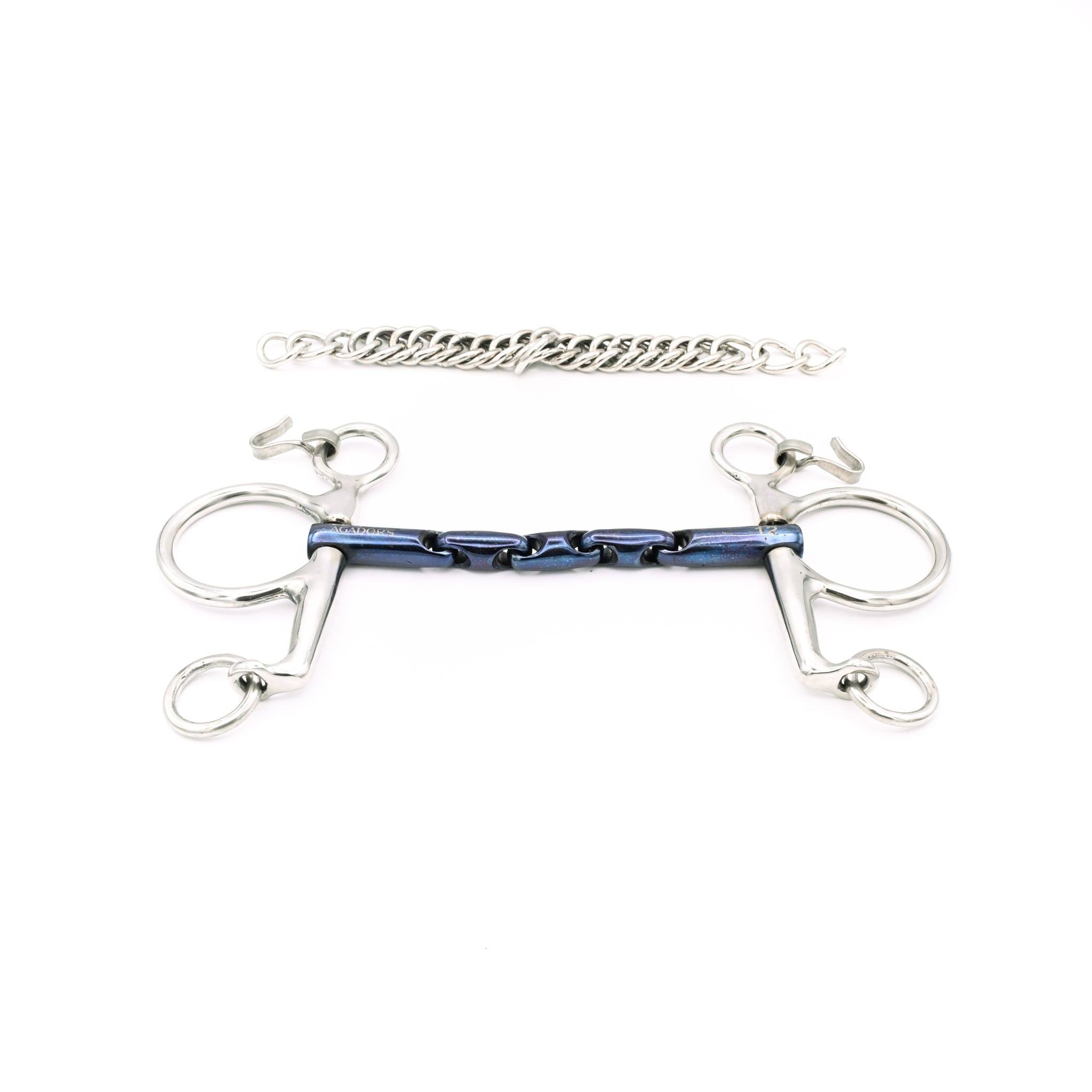
New FlexFlow Baby PelhamFlexFlow Baby Pelham
FlexFlow Baby Pelham Sale price$94.90 CAD

soft flexible rubber, no metal contact

for double bridle precision in one bit
How To Wear It

The Pelham requires careful fitting of both the bit and curb chain to ensure the snaffle and curb actions work independently at the right moments. Getting this right is essential for the bit to function correctly.

Bit Position in the Mouth

The bit height should be set for the horse's comfort. Some horses prefer the mouthpiece to sit slightly higher, others slightly lower. Ideally the height is guided by the palate groove placement, ensuring the mouthpiece does not press against the palate.

The shanks should hang roughly perpendicular to the ground when the horse's head is in a normal position. The cheekpiece must not rub or dig into the cheeks, but should also not extend so far that too much mouthpiece protrudes on the other side. A gap of 3-5mm between the cheekpiece and the horse's face is ideal on both sides. If too much mouthpiece protrudes, the bit will shift and the movement of links or port will become uncomfortable.

Curb Chain Fitting

Attach the curb chain to both sides and lay it flat in the chin groove. Verify that the shanks can rotate no more than 45 degrees before the chain engages. This 45-degree limit is the standard for correct leverage action. Beyond this point leverage becomes excessive and potentially harsh.

Rein Attachment and Using a Converter

Attach the snaffle rein to the top ring and the curb rein to the bottom ring. When riding with two reins, the snaffle rein typically sits slightly shorter than the curb rein, with the curb rein used softly as a refinement aid.

If using a converter (roundings), loop it through both the snaffle and curb rings to create a single attachment point for one rein. A converter produces a blended action — the snaffle and curb engage simultaneously in proportion, rather than independently. This is a practical option for riders not yet comfortable managing two separate reins, but limits the precision that two reins allow. Always introduce the Pelham with light, considerate contact — the combined action is significantly stronger than a snaffle alone.

Need help?

Frequently Asked Questions About Pelham Bits

Who should consider using Pelham Bits?

The Pelham suits horses ready for the combined action of snaffle and curb without the full complexity of a double bridle. It is widely used in showing, jumping, and by riders progressing toward more advanced collection work.

Horses Ready for More Collection

As horses develop through their training, the Pelham offers a step toward greater collection and responsiveness. The curb rein encourages the horse to carry themselves more uphill and engage their hindquarters, without requiring the horse to accept two separate bits simultaneously as in a full double bridle.

Show Jumping and Hunter Horses

The Pelham is widely used in jumping disciplines where a secure, responsive contact is needed alongside the ability to half-halt effectively on landing. The snaffle ring provides the forward, light feel needed in the air, while the curb rein gives the rider control to rebalance the horse quickly between fences.

Riders Progressing from a Snaffle

For riders who need more refinement and control than a snaffle alone provides, the Pelham offers a well-rounded next step. It allows the rider to develop sensitivity to the different actions of the two rings before transitioning to the full complexity of a double bridle with two separate bits.