
Is It the Bit?
When Your Horse Gets Heavy in the Hand
Heaviness in the contact is one of the most common complaints riders bring to a bit fitting conversation. Sometimes the bit is part of the problem. Sometimes it is not.
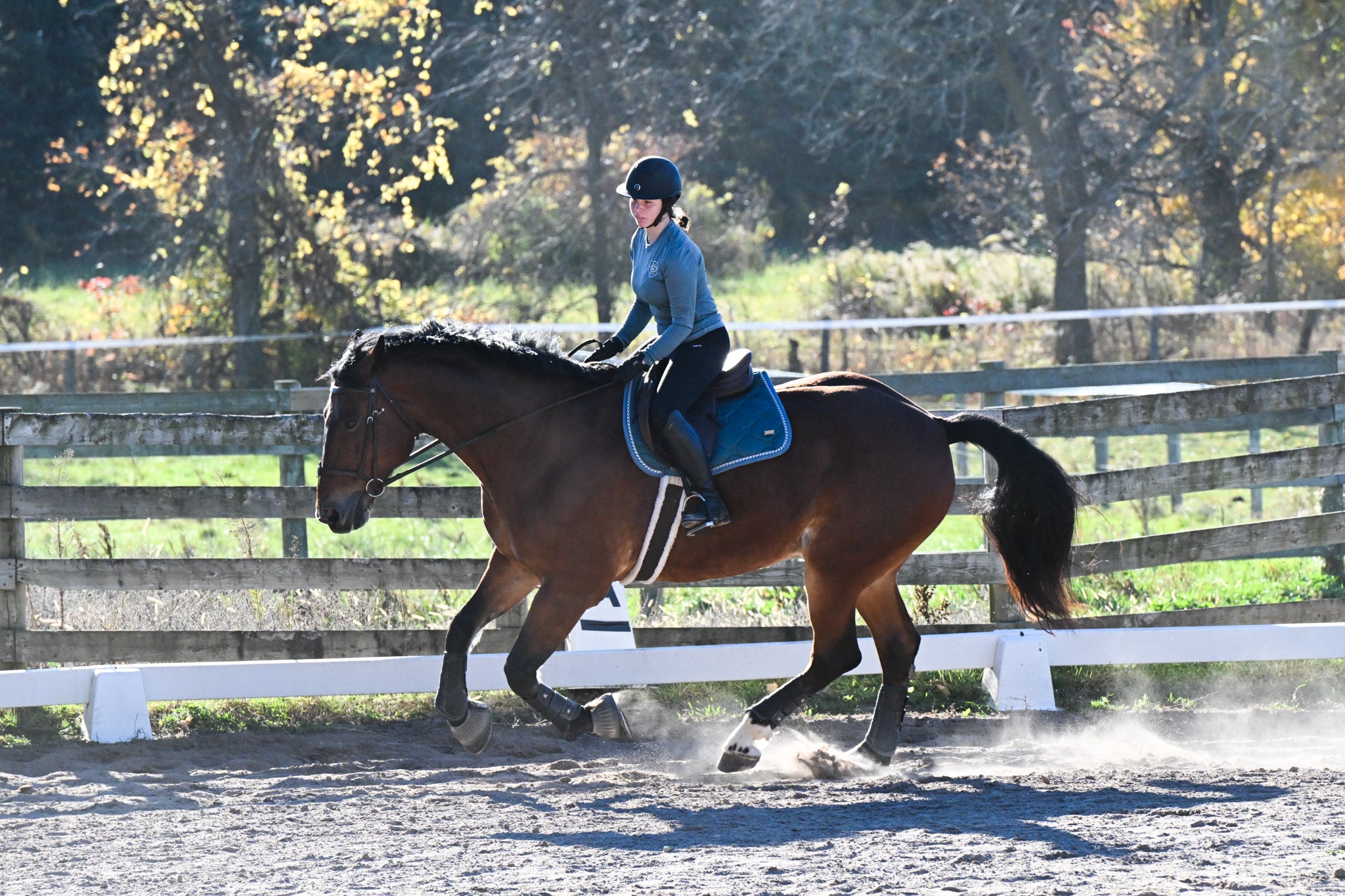
A horse that is heavy in the hand leans into the rein contact, using the rider's hands for balance rather than carrying itself. It can feel like holding a bag of sand at the end of the reins, or like the horse is pulling you forward out of the saddle. Some horses lean constantly. Others only get heavy at certain gaits, on certain rein lengths, or when they are tired.
The instinct is often to reach for a stronger bit. That can work in certain situations, but heaviness is rarely solved by force alone. More often, the answer lies in understanding why the horse is leaning and whether the current bit is making it easier for them to do so.
Start Here
Why It Might Not Be the Bit
Heaviness in the contact is, more often than not, a balance and strength issue rather than a bitting issue. A horse that has not yet developed the core strength and hindquarter engagement to carry itself will naturally fall onto the forehand and use the rider's hands as a fifth leg. Young horses do this. Unfit horses do this. Horses coming back into work after a break do this.
Rider position plays a role too. Hands that are fixed, that pull backward, or that brace against the horse's mouth create a tug-of-war. The horse leans because the rider is leaning back, and both sides escalate. If the heaviness appeared around the same time something changed in the rider's position, saddle, or training approach, that is worth investigating before changing the bit.
Saddle fit is another factor that riders often overlook. The hyoid apparatus connects the tongue, jaw, and poll through a chain of muscles running all the way down the neck and into the back. A saddle that pinches or sits unevenly can cause the horse to hollow, drop onto the forehand, and brace through the jaw. The symptom shows up in your hands, but the cause is further back.
Finally, consider fitness. A horse that tires partway through a session and starts leaning is telling you something about its current strength, not about its bit. Building topline and hind-end engagement through correct flatwork is the long-term solution.
The Bit Angle
Why It Might Be the Bit
Here is where it gets interesting. Some bits actually reward leaning. A fixed, stable mouthpiece on a fixed cheekpiece (think eggbutt mullen or a thick single-joint on a D-ring) gives the horse a solid, predictable surface to brace against. The horse leans, the bit stays still, and the horse gets exactly what it wants: something steady to hang on.
A more mobile bit discourages this. When the mouthpiece moves and shifts under pressure, leaning becomes less satisfying. The horse cannot get a reliable hold, so it starts to carry itself instead. This is not about causing discomfort. It is about removing the reward for bracing.
The same principle applies to the cheekpiece. A loose ring slides through the mouthpiece, creating subtle movement that a fixed ring does not. For horses that lean, that extra mobility can be the difference between a horse that hangs and a horse that begins to lighten.
Practical Options
What to Consider Changing
If the horse's balance and fitness are reasonable and the heaviness persists, a bit change may help. The goal is to reduce the bit's stability just enough that leaning stops being rewarding, without making the horse anxious or uncomfortable. There are two areas to look at: the mouthpiece and the cheekpiece.
Mouthpieces that discourage bracing
Mouthpiece Options
SmoothShape
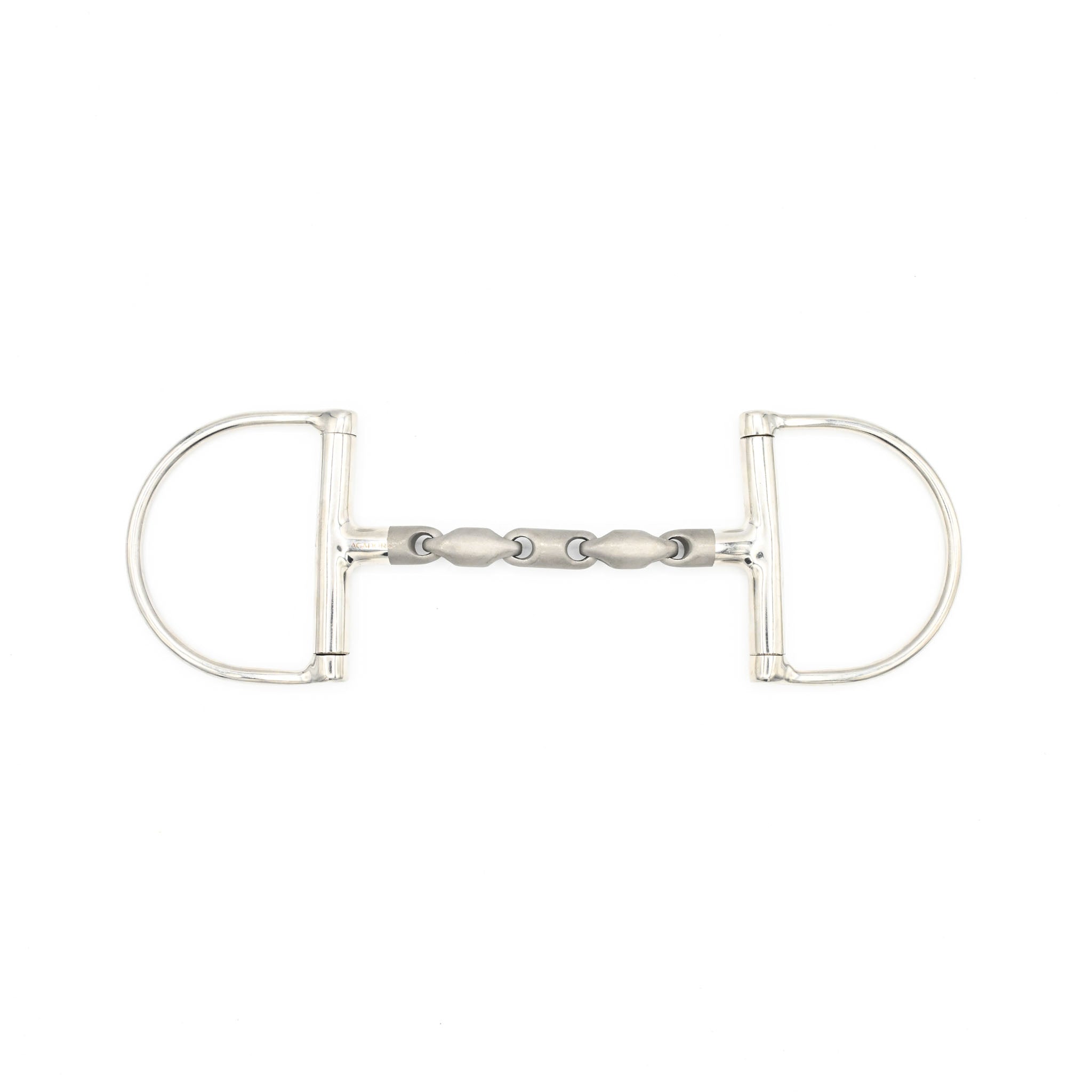
Multi-link Waterford
The classic anti-leaning mouthpiece. Multiple links prevent the horse from getting a fixed hold. Particularly effective for horses that hang when jumping. The individual links conform to the mouth rather than sitting rigid across the tongue.
Shop SmoothShape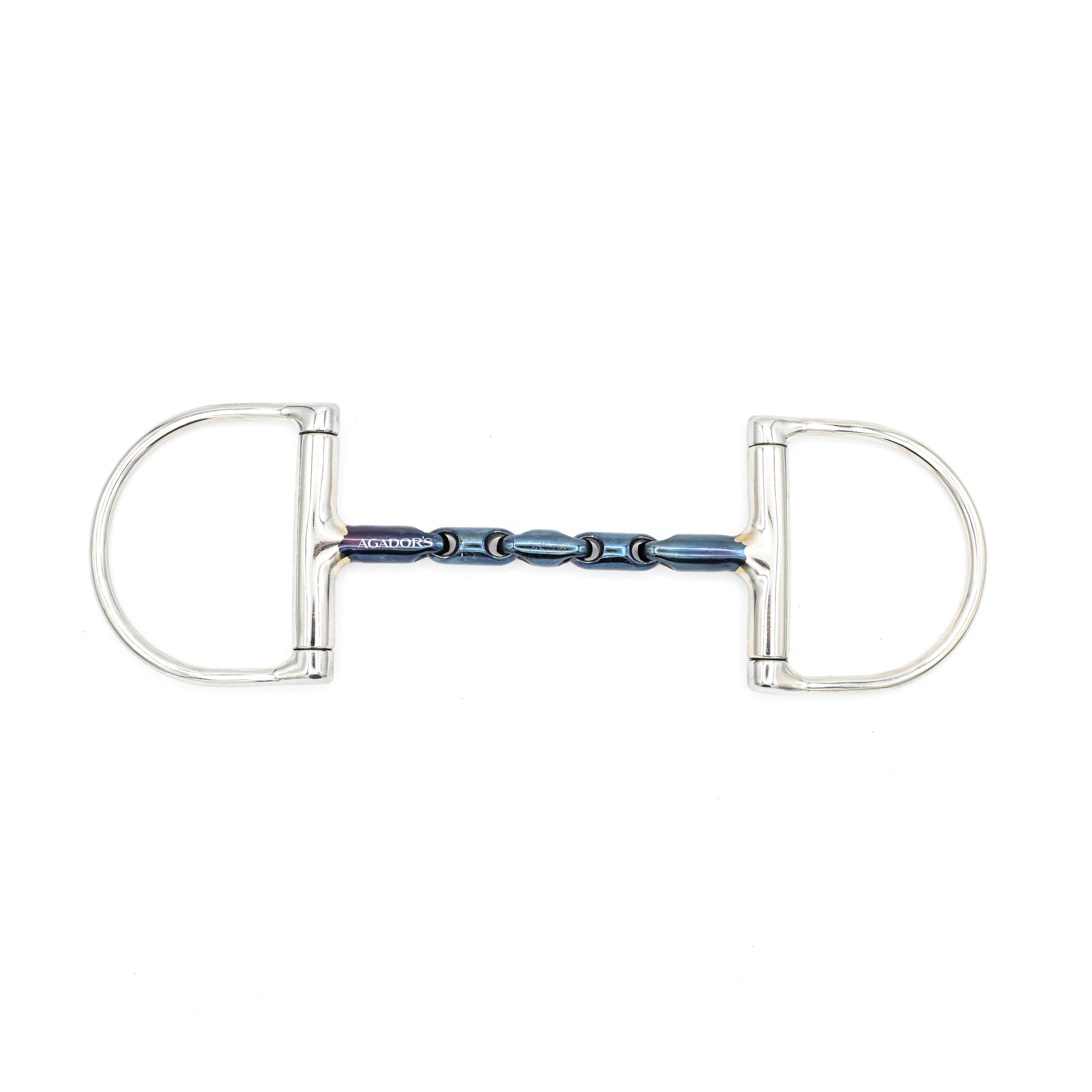
BlueShape
Sweet Iron Multi-link · 12mm
The same Waterford-style action in a sweet iron construction. The sweet iron encourages salivation and acceptance, which can help a tense or resistant horse relax into the contact rather than brace against it.
Shop BlueShape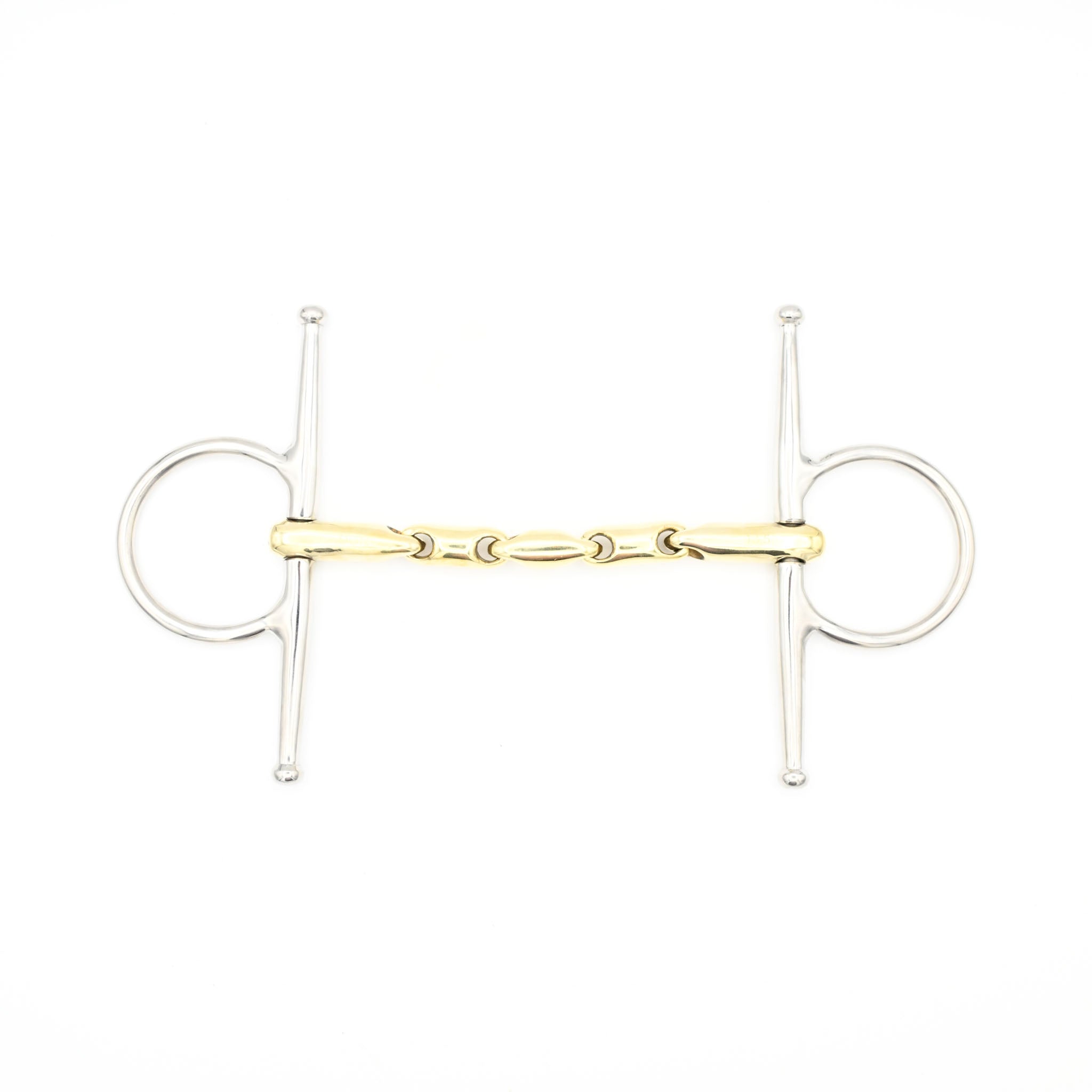
ComfortShape
German Silver Multi-link
A warmer metal option for the horse that needs multi-link mobility. German silver develops a mild sweet taste over time, which can encourage a softer mouth. Same anti-bracing action as the SmoothShape in a different material.
Shop ComfortShape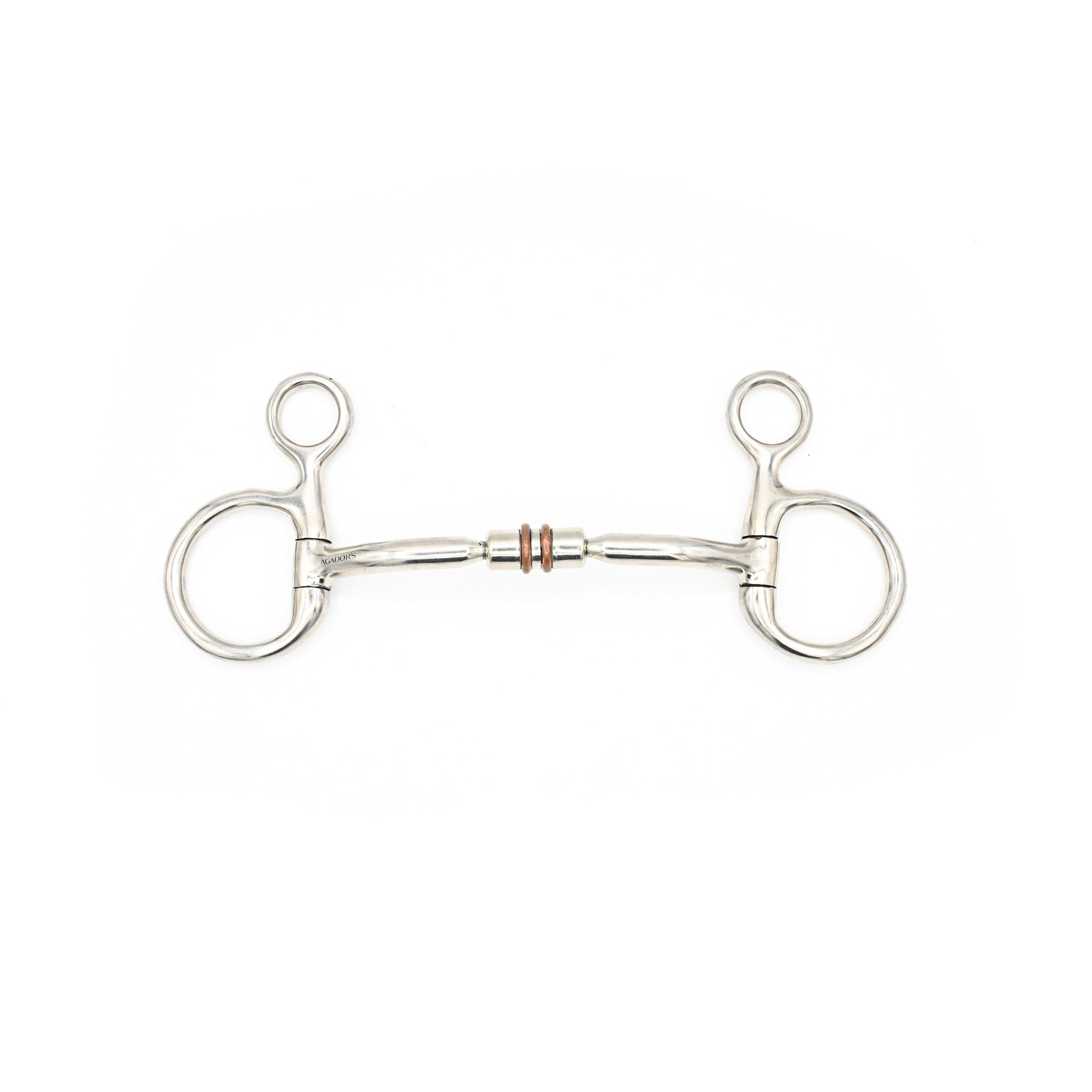
CalmRide Copper Roller
Barrel Link · Double Copper Rollers · 10mm
The double copper rollers encourage tongue activity, which discourages the horse from fixing its jaw and bracing. For dull horses that need a snappier reaction, the rollers add sensation without adding severity.
Shop CalmRide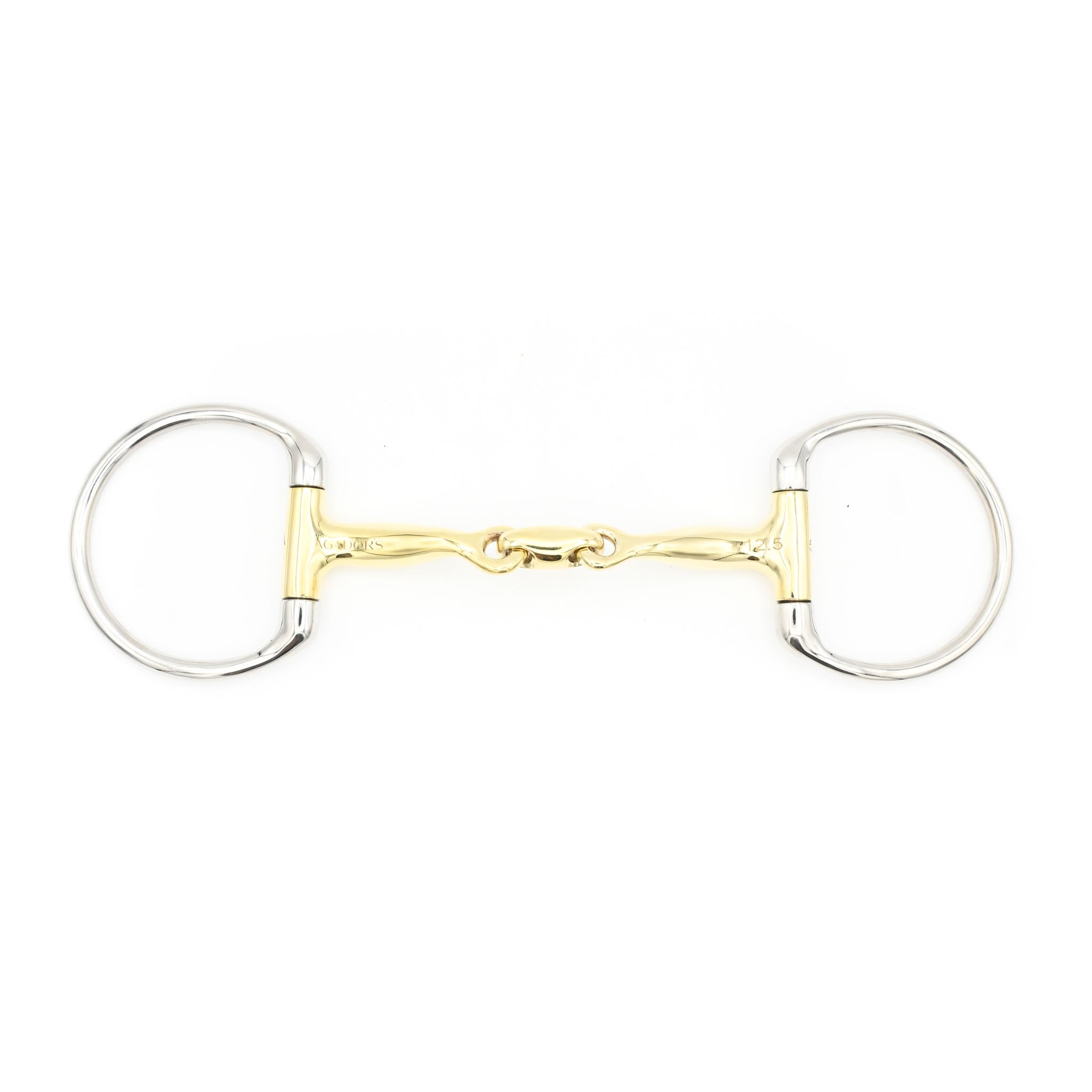
BarRelief Copper Roller
German Silver · 14mm · Copper Roller
A good starting point for dull horses specifically. Redirects bar pressure to the sides rather than the tops, combined with a copper roller for tongue engagement. Addresses both the heaviness and the lack of responsiveness.
Shop BarReliefThe cheekpiece matters just as much as the mouthpiece. A loose ring allows the mouthpiece to slide and rotate independently of the ring, creating movement that discourages a fixed hold. For horses that lean heavily, this subtle instability is often the missing piece. A Wilson snaffle takes this further with even more ring mobility.
If the horse is currently in an eggbutt, D-ring, or full cheek, switching to a loose ring version of the same mouthpiece is a straightforward first experiment. No need to change everything at once.
More mobility discourages leaning
Cheekpiece Options

Loose Ring
The ring slides freely through the mouthpiece, creating natural movement. This makes it harder for the horse to lock on and lean. The most common starting point for addressing heaviness.
Shop Loose Ring
Wilson Snaffle
Takes the loose ring concept further. The additional ring mobility makes fixing and bracing even less rewarding. For strong, dull horses that do not respond to a standard loose ring alone.
Shop WilsonThe Bigger Picture
The Bit Can Help, but It Cannot Do It Alone
A well-chosen bit removes the reward for leaning, but the horse still needs to learn self-carriage. That is a training conversation as much as it is a bitting conversation. Transitions, half-halts, circles, and lateral work all teach the horse to shift weight off the forehand and onto the hind leg. The bit creates the conditions; the riding builds the habit.
If the heaviness is long-standing, consider working with a coach who can assess whether the issue is physical (strength, balance), habitual (learned behaviour from a previous setup), or a combination of both. A bit change and a training adjustment together tend to produce faster, more lasting results than either one alone.
Common Questions
Not necessarily. A stronger bit adds more pressure, but if the horse is leaning for balance (not bolting or running through the aids), more pressure just creates more bracing. The goal is to make leaning unrewarding, not painful. A more mobile mouthpiece or cheekpiece is usually a better first step than a harsher bit.
A horse that leans uses the rider's hands for balance. It feels like dead weight. A strong horse actively pulls or takes charge, often getting quicker at the same time. Both can benefit from a more mobile bit, but the strong horse may also need adjustments to the cheekpiece (like a Wilson) or even a step up to a pelham or gag for specific situations like jumping. The leaner primarily needs a mouthpiece that discourages bracing.
A Waterford (multi-link) bit is not inherently harsh. The individual links distribute pressure across the tongue and bars rather than concentrating it. The action is mobile, not sharp. In experienced hands, a Waterford is simply a bit that prevents the horse from getting a fixed hold. It is one of the most effective options for horses that hang, particularly over fences.
If the bit was working and nothing about the bit changed, the cause is probably elsewhere. Check saddle fit, dental health, overall fitness, and whether anything has changed in the training or riding. A horse that was light and becomes heavy is communicating something. Investigate before swapping equipment.
Keep Reading
Explore the Full Bit Guide
Heaviness is just one piece of the puzzle. If the bit change helps but does not fully solve the problem, there may be other factors at play.