Skip to content

Cart

Your cart is empty

Full Cheek Bits

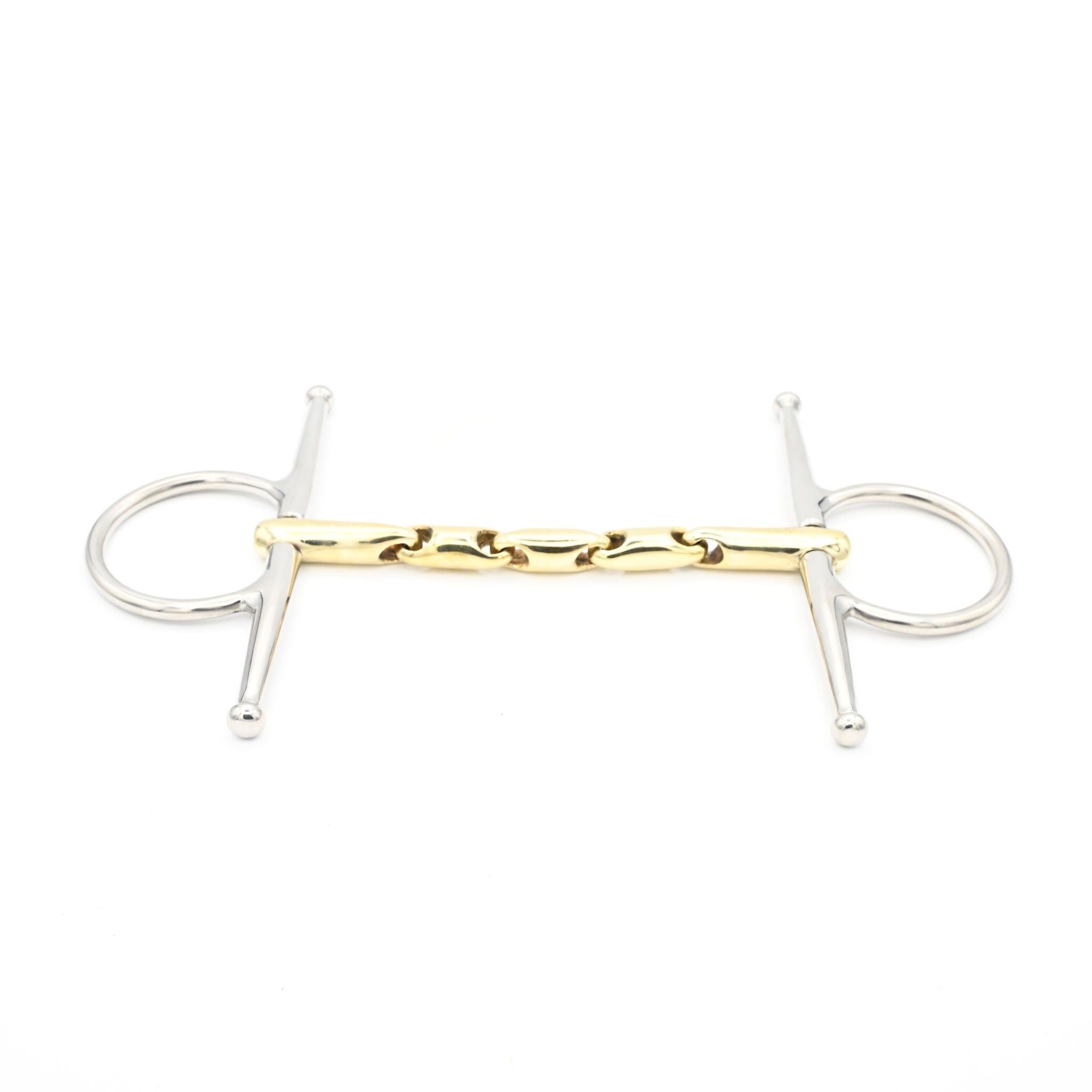
Designed for clear directional guidance, Fulmer and Full Cheek bits offer enhanced lateral control while maintaining all the gentleness of a standard snaffle. The extended cheek bars provide additional steering support by creating a subtle nudging action against the side of the face when turning.

Key Features:

  • Vertical cheek pieces provide clear directional signals
  • Prevents the bit from being pulled through the mouth
  • Full Cheeks feature fixed cheeks for immediate response
  • Fulmers combine loose rings with full cheeks for subtle pre-signals before engagement

Perfect for:

  • Young horses learning steering aids
  • Horses that need extra directional guidance
  • Event horses requiring precise steering on cross country
  • Show jumping where accurate turning is essential
  • Horses who tend to ignore or evade lateral aids

Each bit features an anatomically-designed mouthpiece that allows proper tongue movement and comfort. Optional bit keepers can be used to maintain optimal bit position and enhance the steering effect.

For maximum effectiveness, we recommend using bit keepers with Full Cheek models to prevent the bit from rotating forward in the mouth. Fulmers combine the steering benefits of full cheeks with the gentle pre-signals of a loose ring, making them particularly suitable for sensitive horses who still need steering support.

Sort by

7 products

Filters

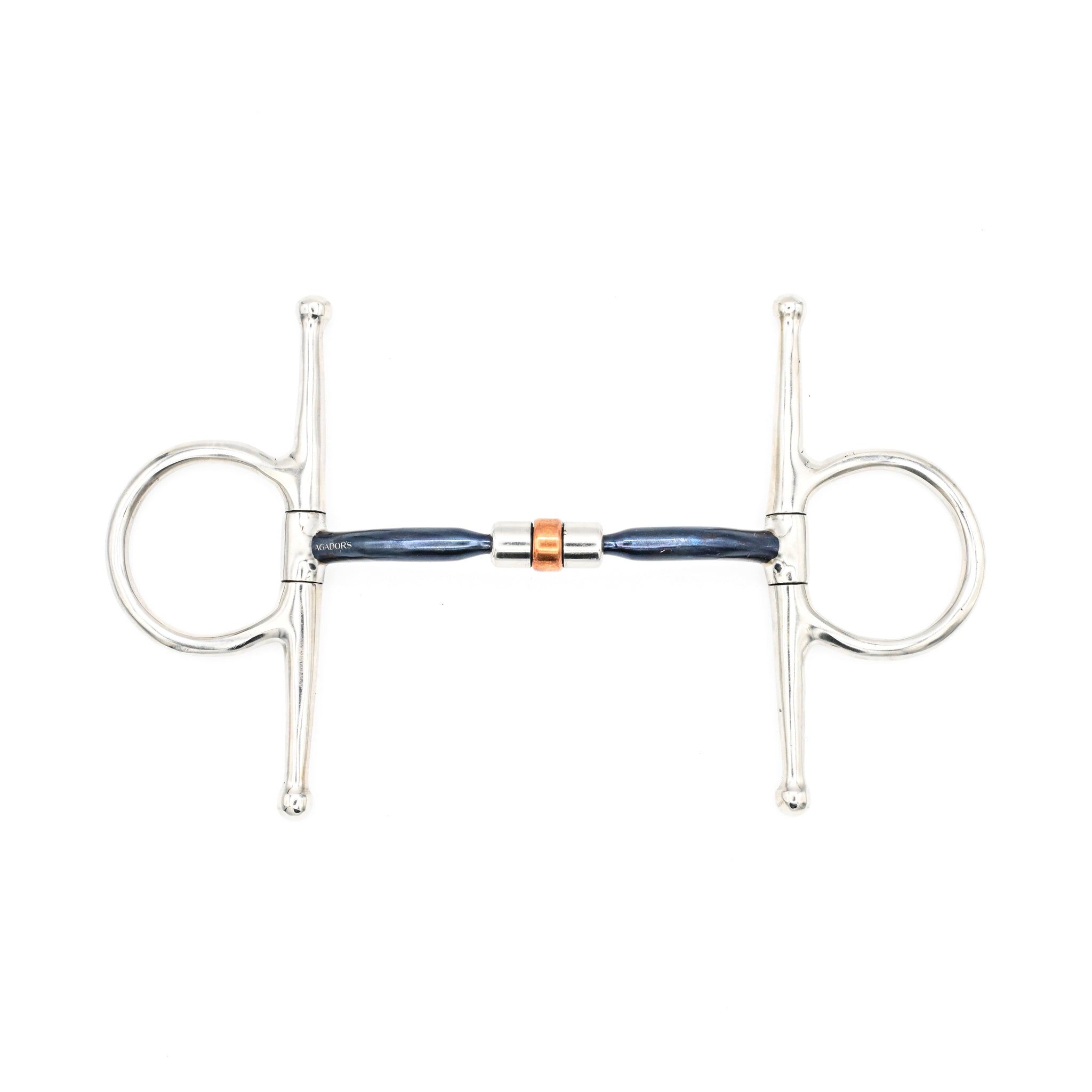
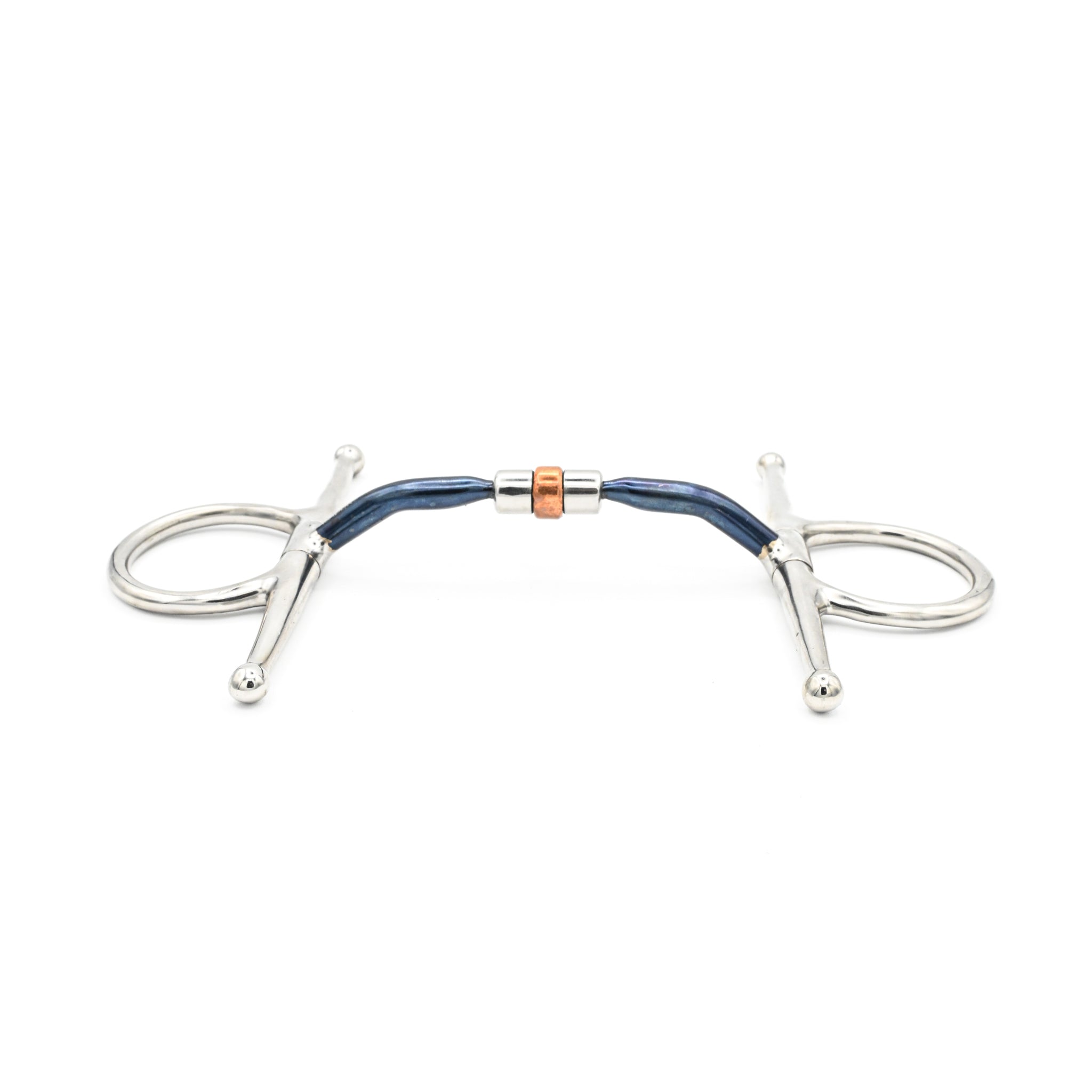
Trending CalmBlue Full Cheek SnaffleCalmBlue Full Cheek Snaffle
CalmBlue Full Cheek Snaffle (5.0) Sale price$79.90 CAD

tongue relief with sweet iron and copper roller

for horses learning to respond to steering
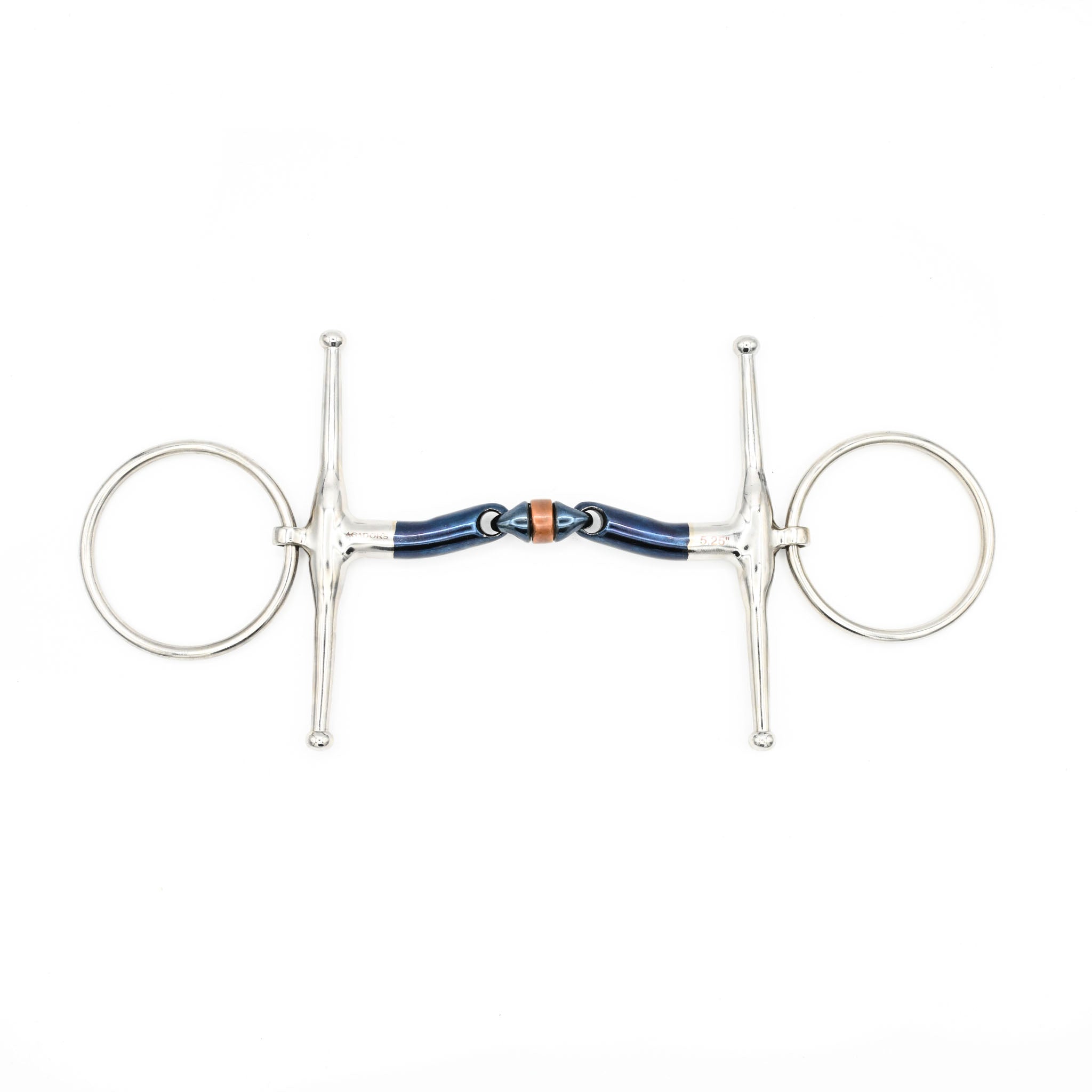
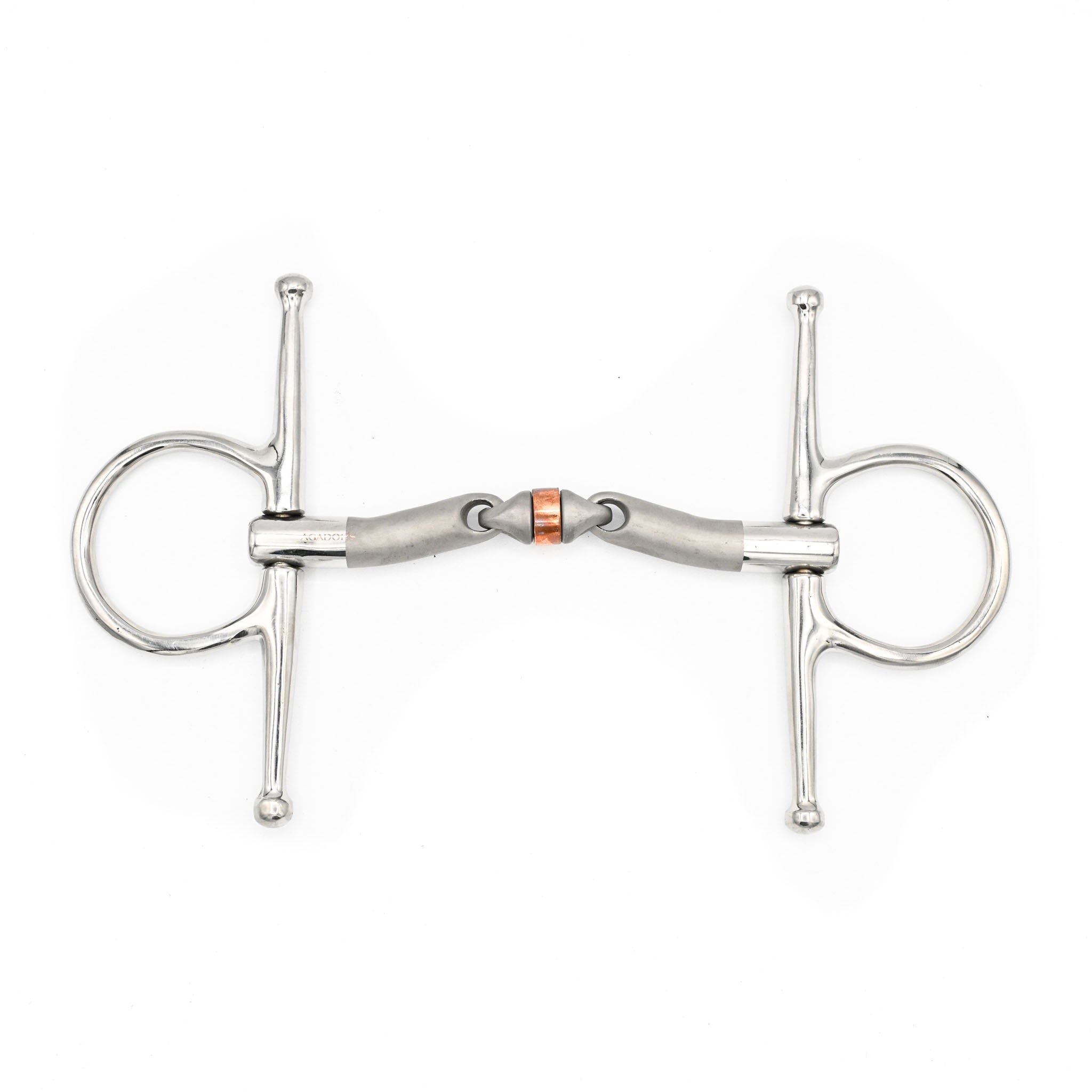
Agador's x LAB Equestrian: SmoothRide Blue Fulmer SnaffleAgador's x LAB Equestrian: SmoothRide Blue Fulmer Snaffle
Agador's x LAB Equestrian: SmoothRide Blue Fulmer Snaffle (5.0) Sale price$89.90 CAD

gentle curved lozenge with copper roller

for horses needing steering guidance with a softer, mobile feel

ComfortShape Full Cheek SnaffleComfortShape Full Cheek Snaffle
ComfortShape Full Cheek Snaffle (5.0) Sale price$79.90 CAD

compact 12mm Waterford for smaller mouths

for horses learning to respond to steering
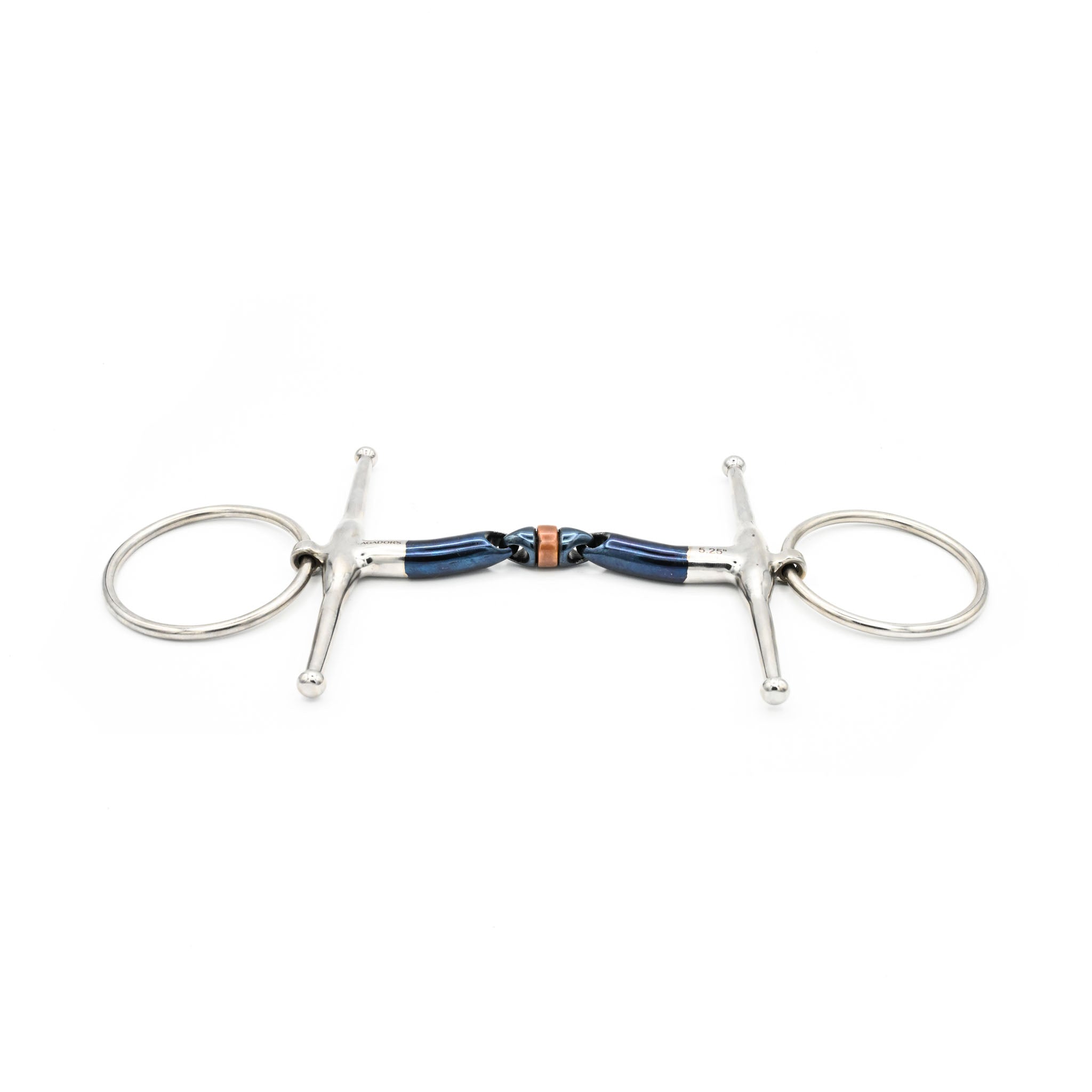
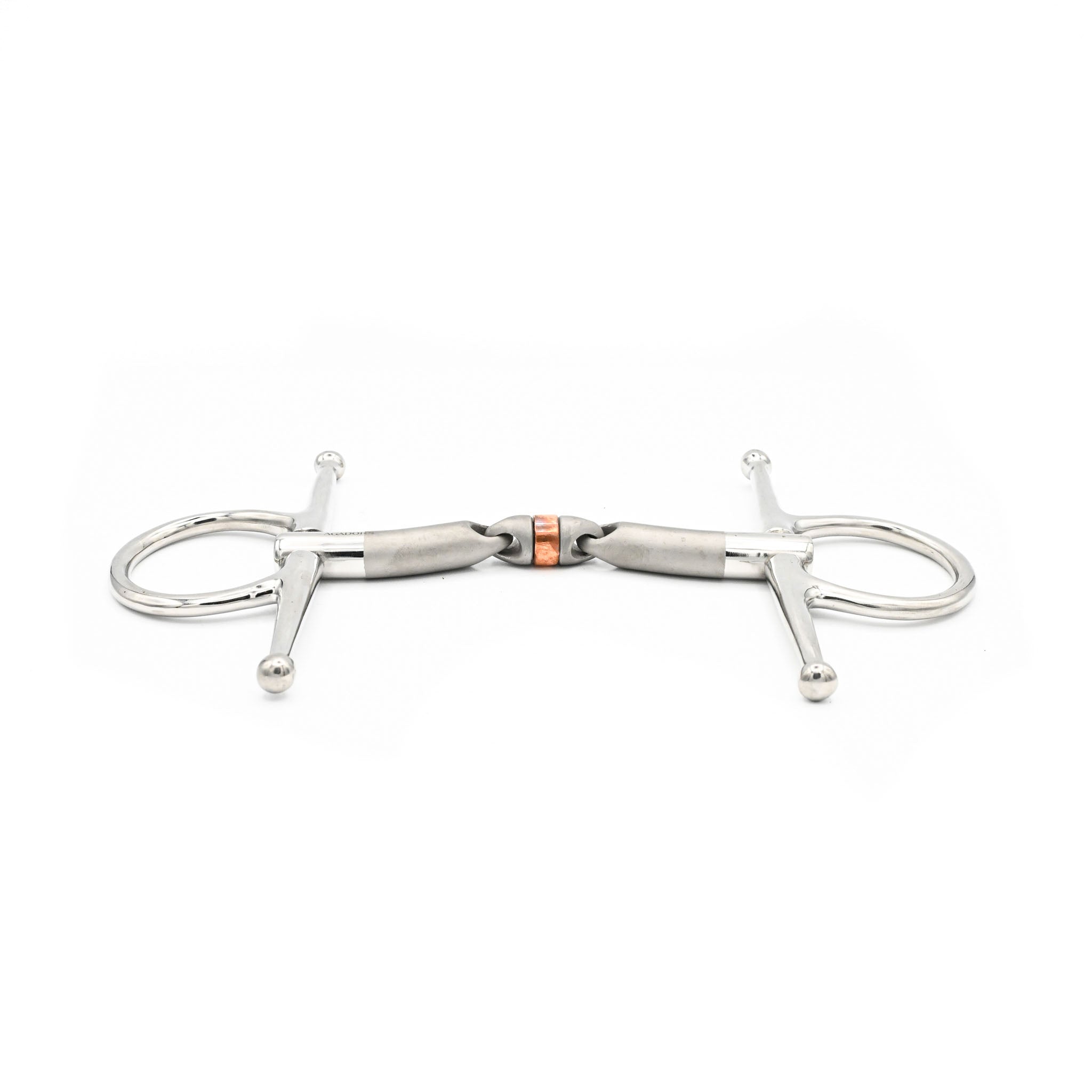
New Special Edition: CalmRide Fulmer SnaffleSpecial Edition: CalmRide Fulmer Snaffle
Special Edition: CalmRide Fulmer Snaffle Sale price$79.90 CAD

flexible tongue relief with copper rollers

for horses needing steering guidance with a softer, mobile feel
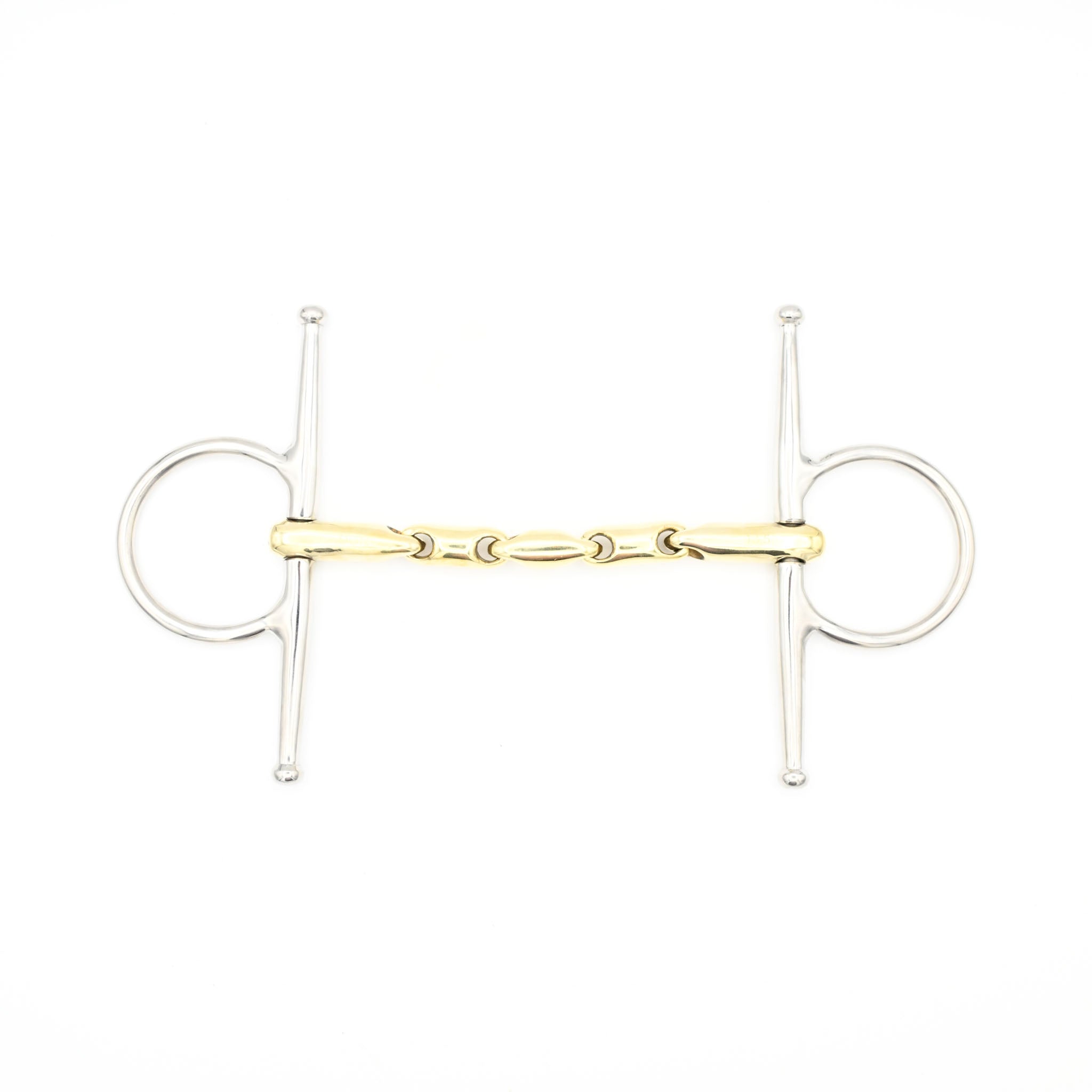
Final SaleSave 16% SmoothRide Full Cheek SnaffleSmoothRide Full Cheek Snaffle
SmoothRide Full Cheek Snaffle (Demo Condition) Sale price$70.90 CAD Regular price$84.90 CAD

gentle curved lozenge with copper roller

for horses learning to respond to steering

How To Wear It

Fitting the Full Cheek bit correctly ensures the side arms can function as intended. The bridle, keepers (if used), and bit position must all work together to deliver stable, clear communication.

Position in the Mouth

The bit height should be set for the horse's comfort. Some horses prefer the mouthpiece to sit slightly higher, others slightly lower. Ideally the height is guided by the palate groove placement, ensuring the mouthpiece does not press against the palate.

The side arms should point upward and downward along the line of the horse's face. The cheekpiece must not rub or dig into the cheeks, but should also not extend so far that too much mouthpiece protrudes on the other side. A gap of 3-5mm between the arm and the cheek is ideal on both sides. If too much mouthpiece protrudes, the bit will shift and the movement of any links or join will become uncomfortable. If the arms are pressing into the cheeks at rest, the bit is too narrow.

Using Keepers

If using keepers, loop them through the hole at the top of the upper arm and attach them to the bridle cheekpiece. This holds the bit in an upright, stable position and maintains a fixed working angle throughout the rein aid. Keepers are particularly recommended for young horses, horses that rub their face, and greener riders.

Checking Alignment

Check that the upper arm points upward and the lower arm points downward, both running roughly parallel to the horse's cheek. Neither arm should press into the skin at rest. If they are angled forward or backward, re-check the bridle cheekpiece length and keeper attachment.

Need help?

Frequently Asked Questions About Full Cheek Bits

Who should consider using Full Cheek Bits?

The Full Cheek and Fulmer are ideal for horses that need clearer steering aids and riders whose horses are still learning to respond to directional rein signals. Their stability and guiding action make them a trusted choice across training levels.

Young and Green Horses

Horses in early training benefit enormously from the clear, unambiguous lateral guidance the Full Cheek provides. The bit cannot slide through the mouth, meaning steering aids reach the horse consistently and without confusion. The Full Cheek prevents pulling through, an important safety feature when working with inexperienced horses that may not yet respond reliably to rein pressure.

Horses with Steering Challenges

For horses that drift through their shoulder, resist lateral aids, or are stiff through their body, the Full Cheek's face pressure provides a more tangible steering cue than a ring-only snaffle. The arm creates a physical guide against the side of the face, making the turning request clearer. This is why the Full Cheek remains popular in show jumping and for horses needing directional refinement.

Riders Developing Their Aids

Riders who are still developing independent, soft hands will find the Full Cheek reliable and forgiving. The stability of the cheekpiece means small unintentional movements are less likely to create conflicting signals. The Fulmer variant offers slightly more forgiveness still, as the loose ring allows a moment of movement before the aid is fully transmitted.