
A Guide to Sweet Iron Care
Sweet Iron Bits: The Blue Finish, the Rust, and How to Care for Them
Sweet iron bits come with a learning curve when it comes to care. This guide covers what sweet iron is, why it rusts, and how a simple routine keeps a sweet iron bit performing for years.
Why Sweet Iron Rusts and Why That's a Good Thing
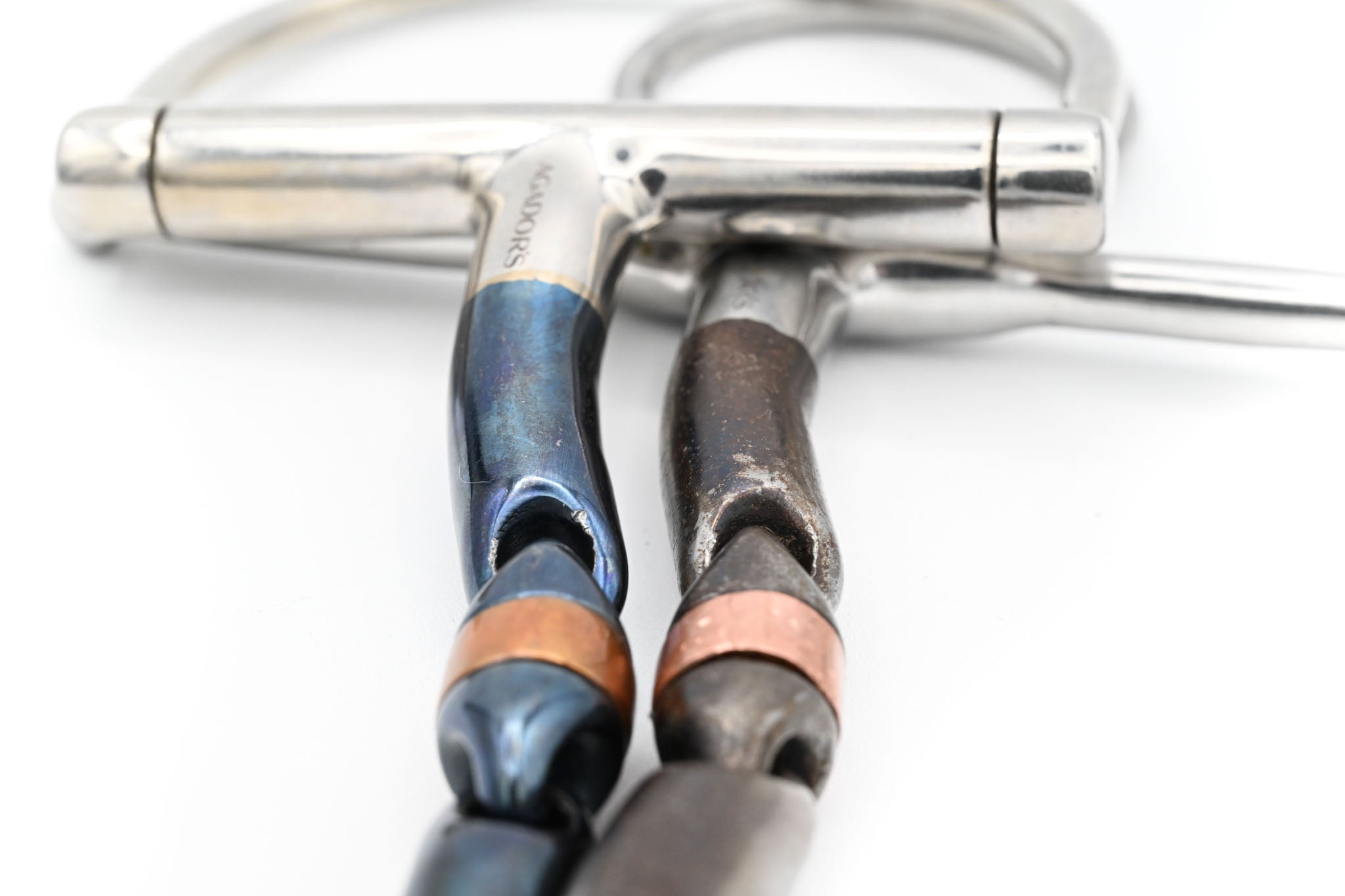
Sweet iron is designed to oxidize. When exposed to moisture and air, the surface develops a natural rust that creates a mild, warm taste. Horses genuinely respond to this. The taste can encourage light salivation, and a little saliva lubricates the bit and keeps the mouth comfortable, which can support a softer connection to the rein.
Salivation on its own is not proof that a horse is enjoying or accepting the bit; a relaxed, quiet mouth that stays soft to the contact is the better sign. The rust itself is not a flaw. It is the entire point of the material.
Every sweet iron bit goes through three visual stages. All of them are normal.
The Sweet Iron Lifecycle

Stage 1: New (Blue Finish)
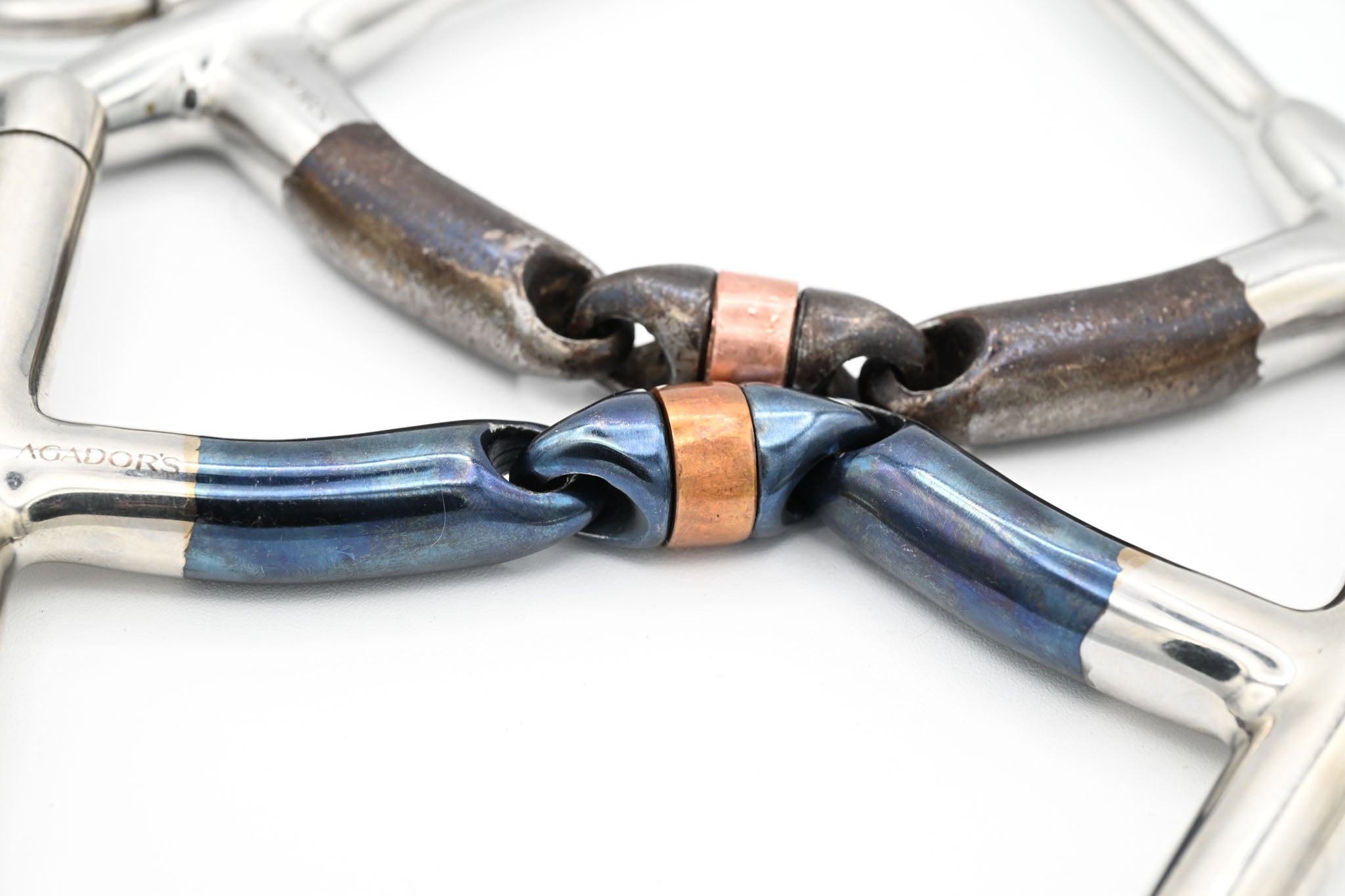
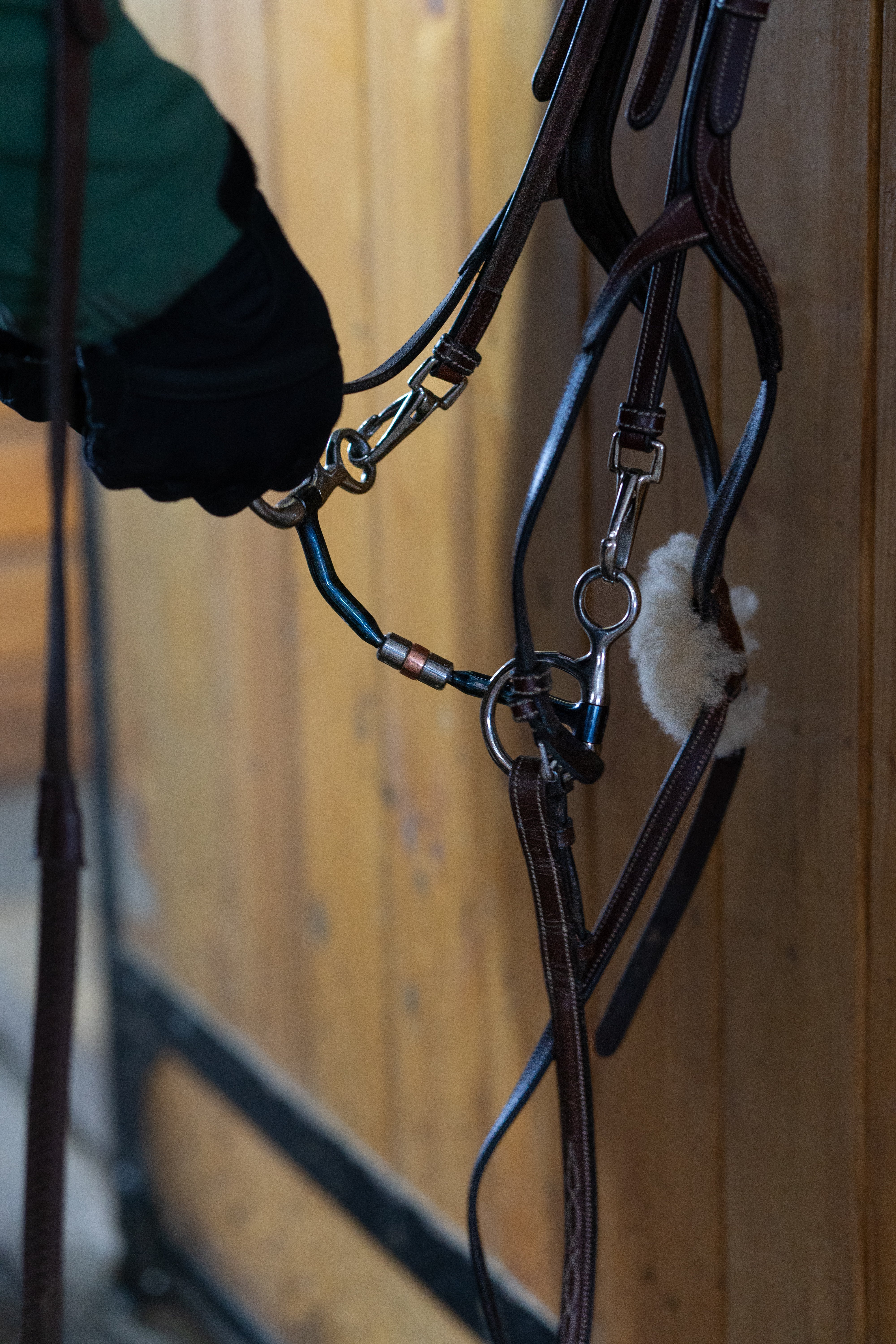
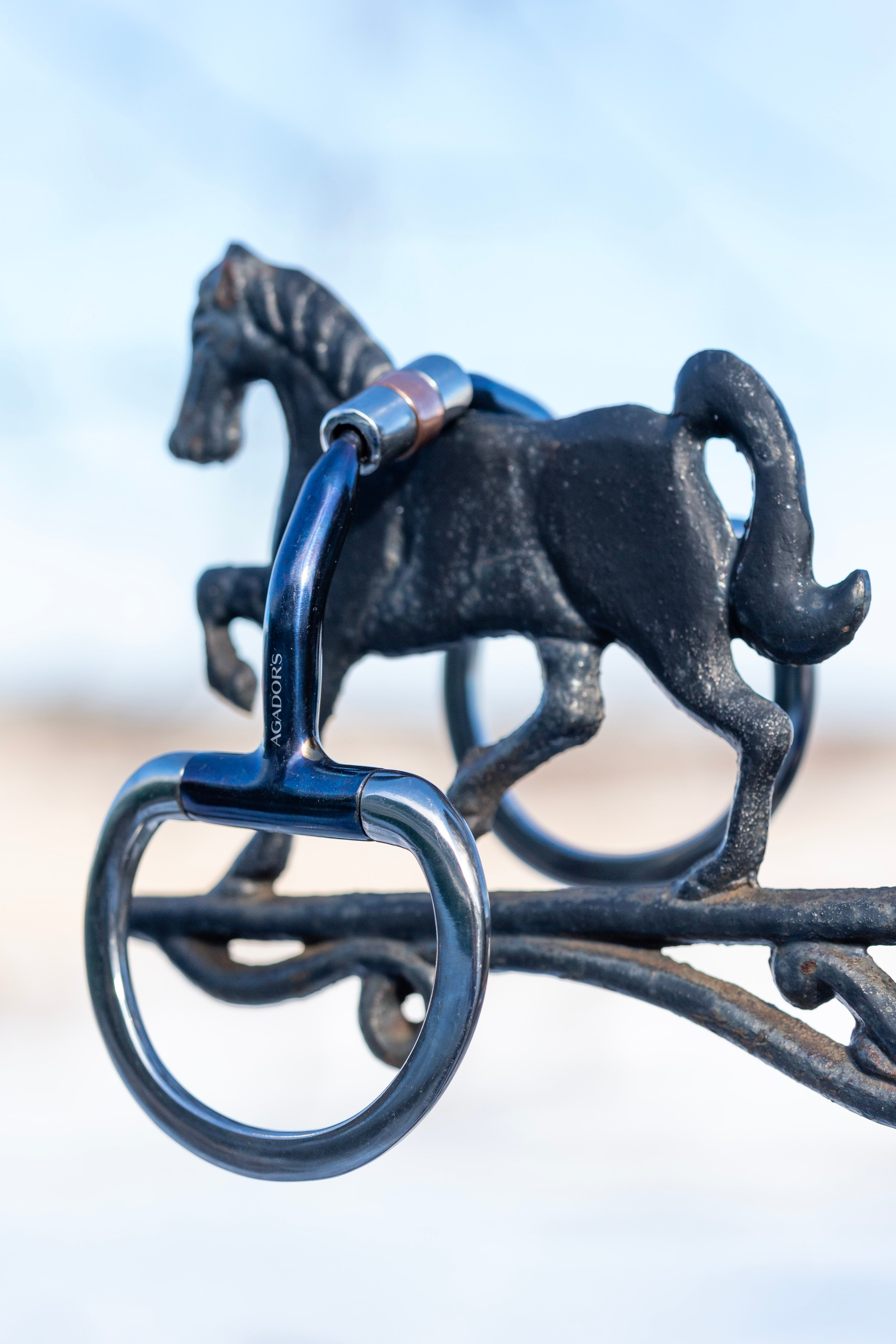
Fresh from the box, sweet iron bits have a distinctive dark blue-grey finish. This is a pre-oxidized coating applied during manufacturing. The bit may feel slightly oily. That protective layer prevents uncontrolled oxidation during shipping and storage.
Stage 2: Breaking In
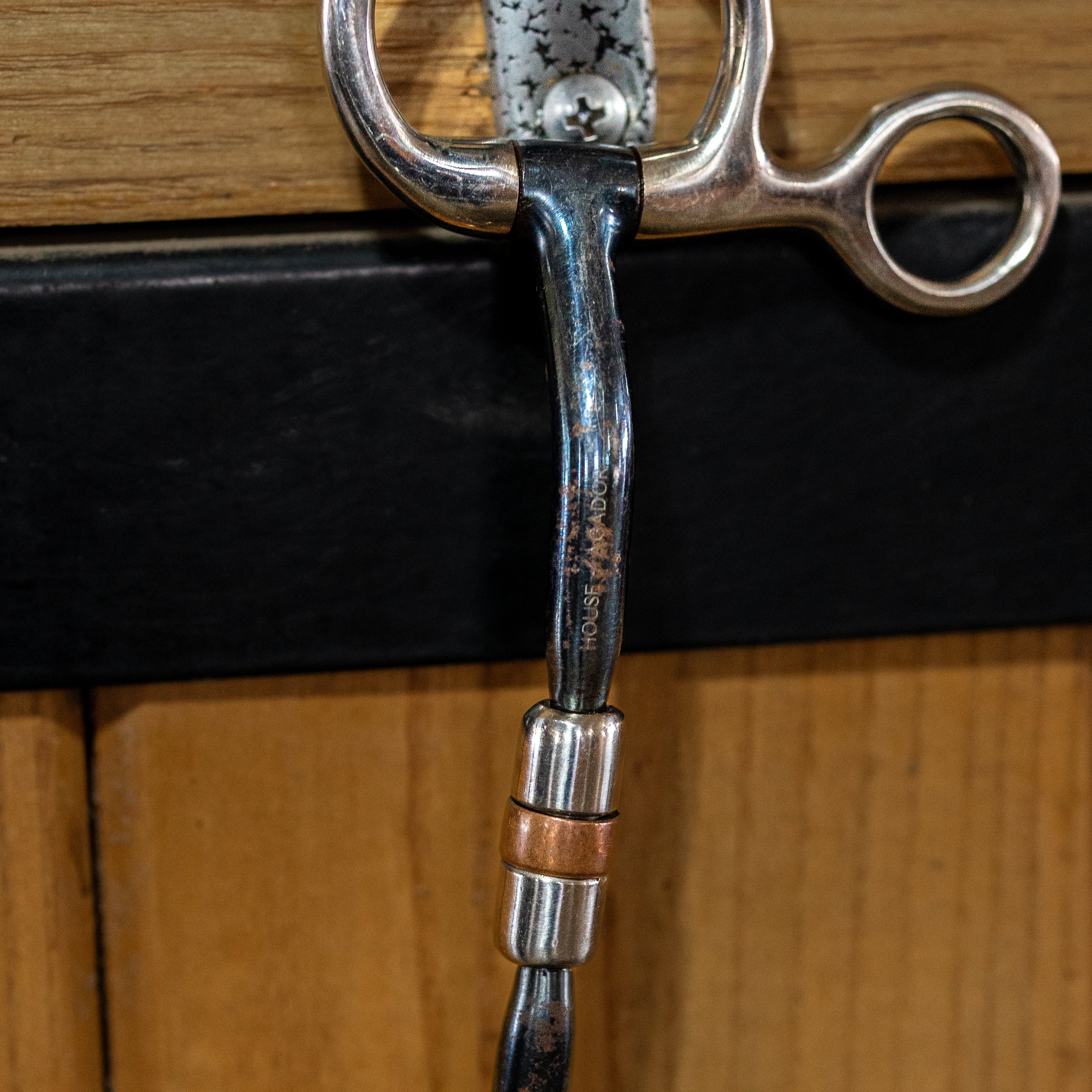
After the first few rides, the blue finish begins to wear, revealing patches of warm rust underneath. This patchy appearance is completely normal. The bit is transitioning from its manufactured state to its working state.
Stage 3: Seasoned
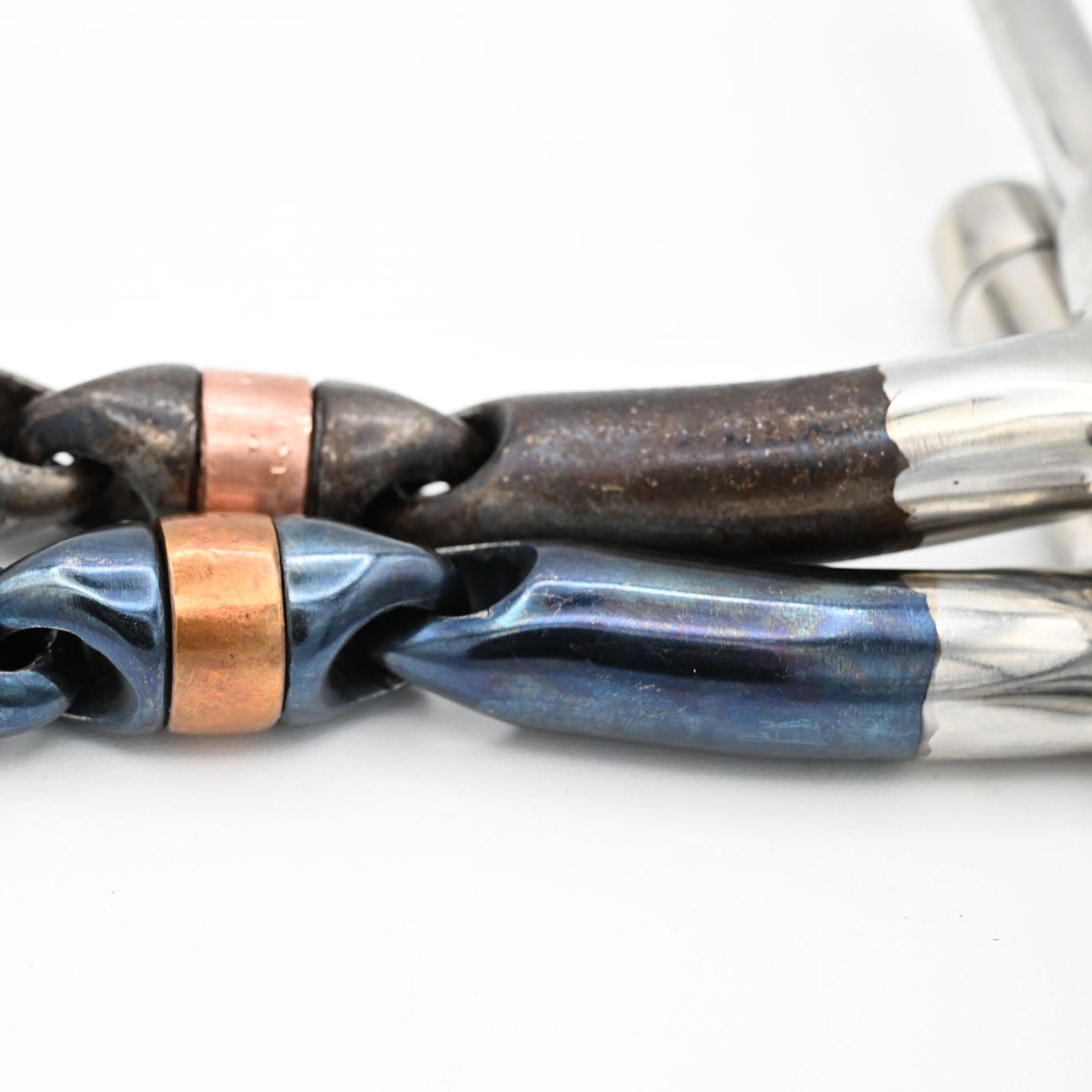
A well-maintained sweet iron bit develops a warm, even rust patina across the mouthpiece. This is the ideal state. The surface is smooth, the taste is established, and the bit is doing exactly what it was designed to do.
Think of It Like Cast Iron Cookware
The best mental model for sweet iron care is cast iron cookware. The materials behave almost identically. A cast iron pan is not soaked or left dripping in a dish rack. It is wiped dry, oiled when needed, and stored somewhere dry. The same logic applies to a sweet iron bit.
The only real difference is scale: a bit is smaller, so the care routine takes about thirty seconds.
The Daily Care Routine
After Every Ride
Wipe the bit dry with a clean cloth. That single habit handles most of the maintenance. It prevents moisture from accelerating oxidation around the hinges and barrel joint.
If the Bit Gets Wet
Dry it thoroughly and apply a thin layer of food-safe oil. Canola or flax oil both work. Focus on the hinges and barrel. Never air dry. Never soak.
Occasional Deep Clean
If the bit needs washing, avoid directing water into the hinges, dry completely, and oil immediately after.
Managing Rust and Surface Texture
Some rust is normal and expected. Eliminating it entirely would defeat the purpose of the material. What needs attention is the texture. If the bit develops rough or sharp spots that could cause discomfort, a very light sanding with superfine wet/dry sandpaper is all that is needed.
The goal is a smooth surface, not a clean one. The warm rust colour should remain; only the rough texture is removed.
Quick Reference: Sweet Iron Care at a Glance
After Every Ride
Wipe dry with a clean cloth. Takes 10 seconds. Prevents 90% of care issues.
If It Gets Wet
Dry completely. Apply a thin layer of food-safe oil (canola or flax). Focus on the hinges and barrel. Never air dry. Never soak.
Storage and Replacement
Store somewhere dry with good airflow. Replace if deep pitting, sharp edges that cannot be smoothed, or joints that seize and will not move freely.
Explore Sweet Iron Bits
Sweet iron bits are worth the extra attention. Horses go better in them, and with the right routine, they last just as long as any traditional bit. The maintenance is not complicated. It just requires a small shift in habits.