Skip to content

Cart

Your cart is empty

Weymouth Curb Bits

Sort by

8 products

Filters

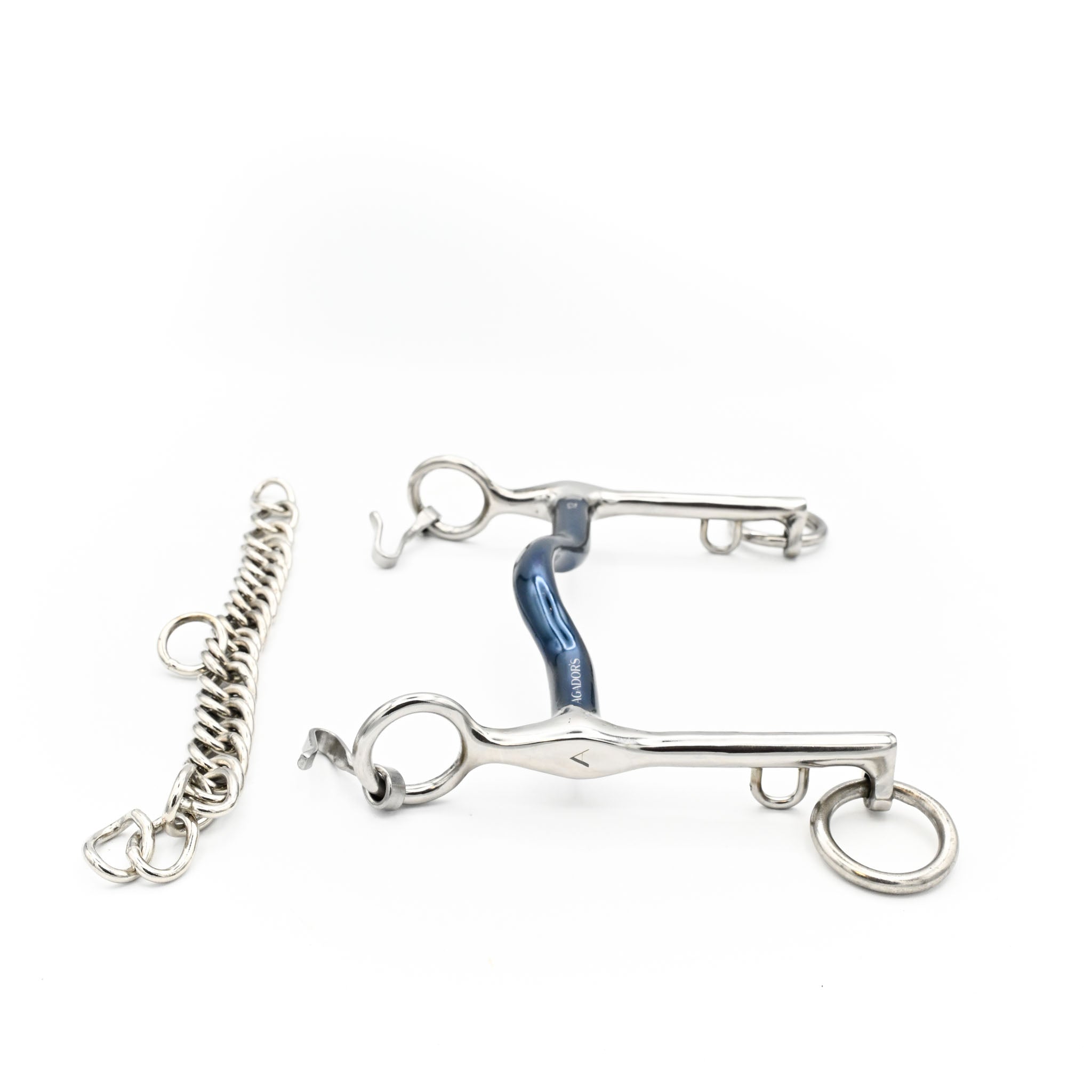
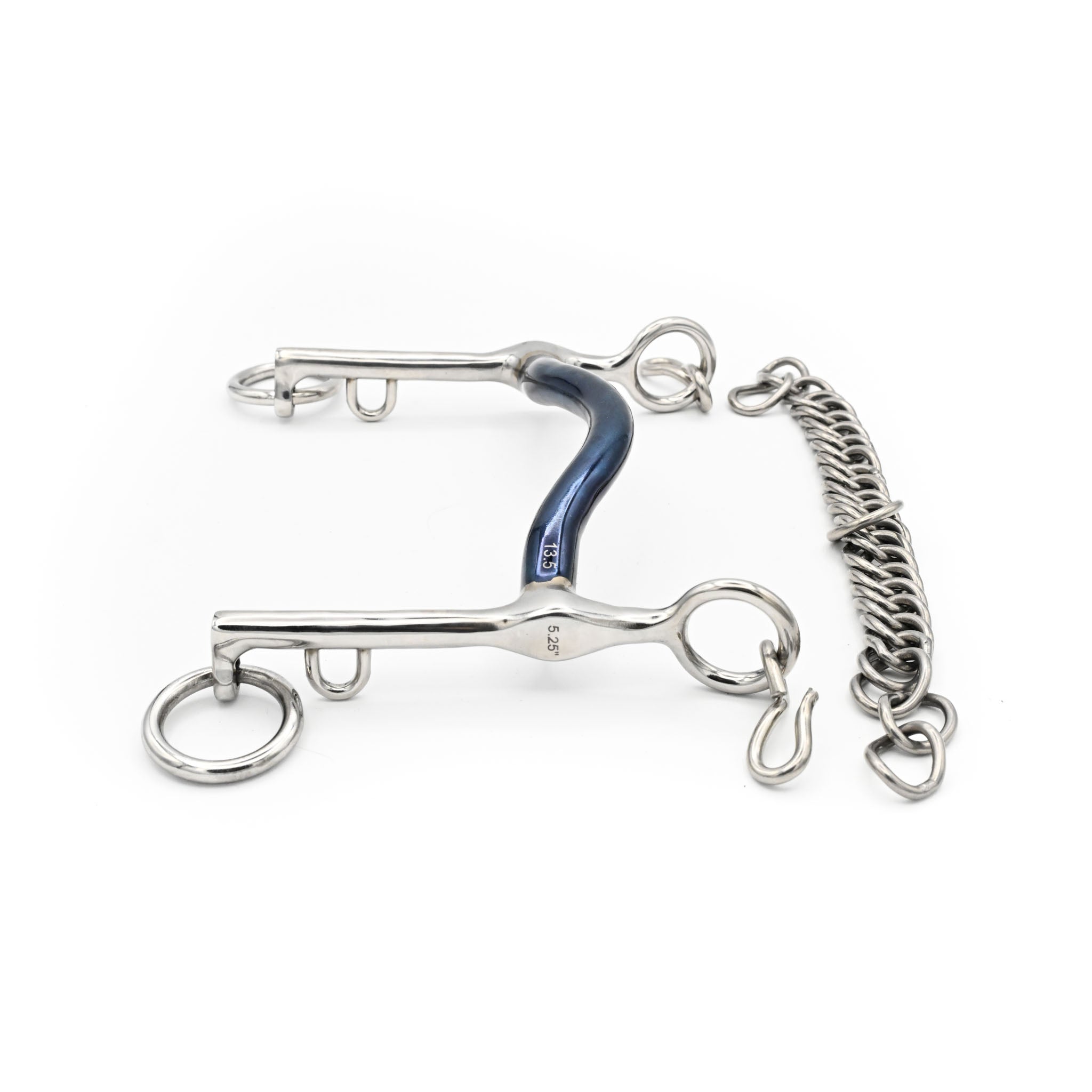
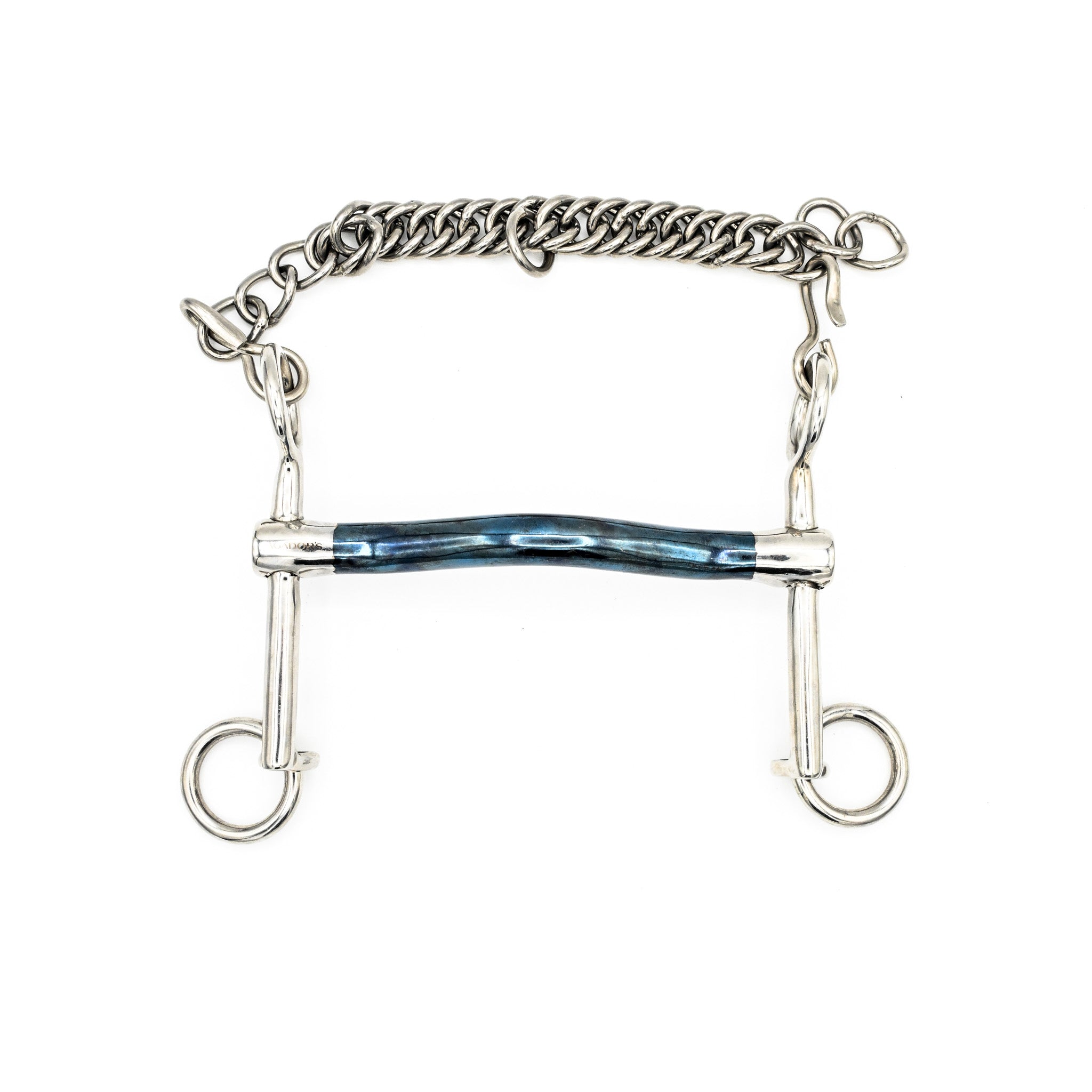
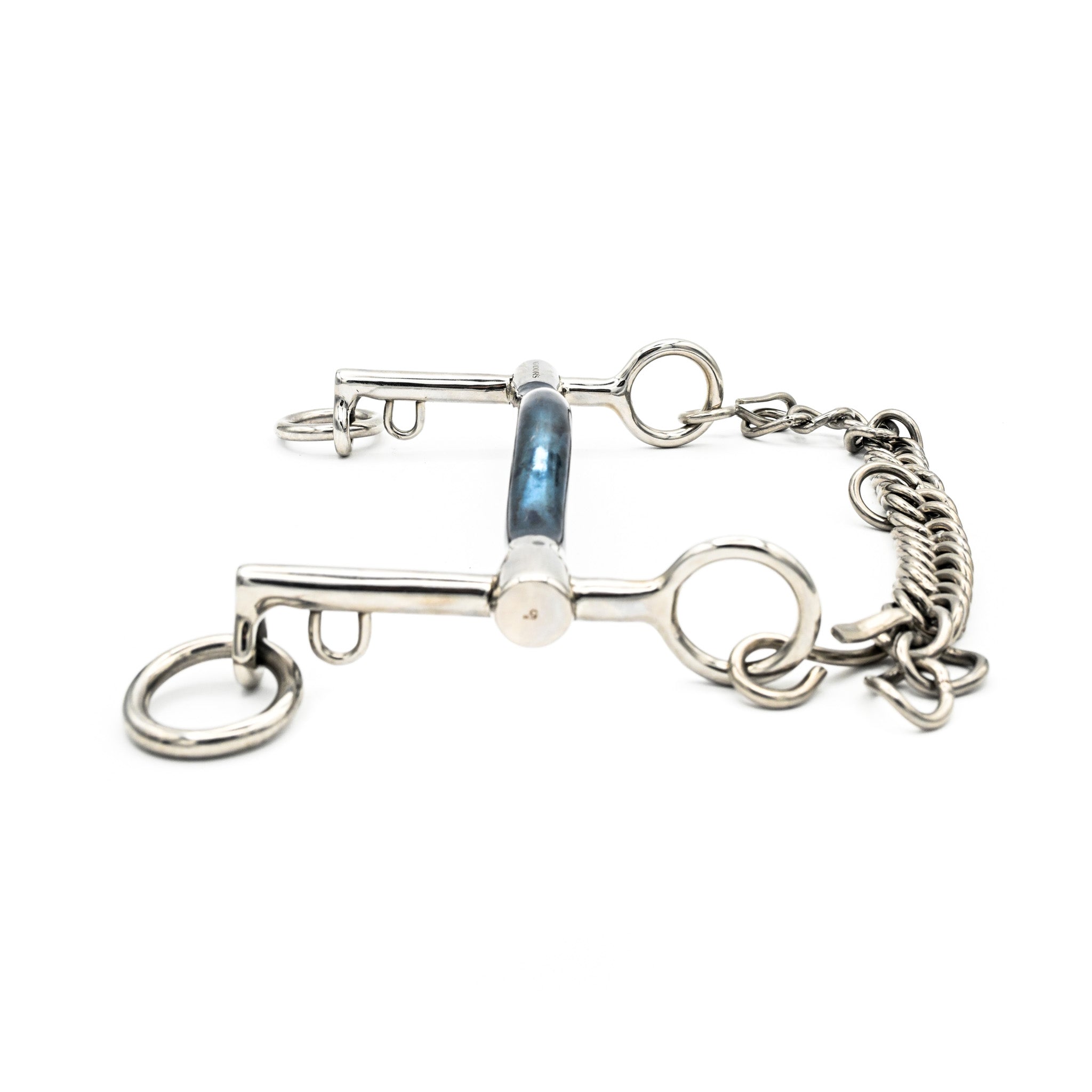
Baby Blue WeymouthBaby Blue Weymouth
Baby Blue Weymouth Sale price$84.90 CAD

gentle curve with a thicker, quieter profile

for collection in a double bridle
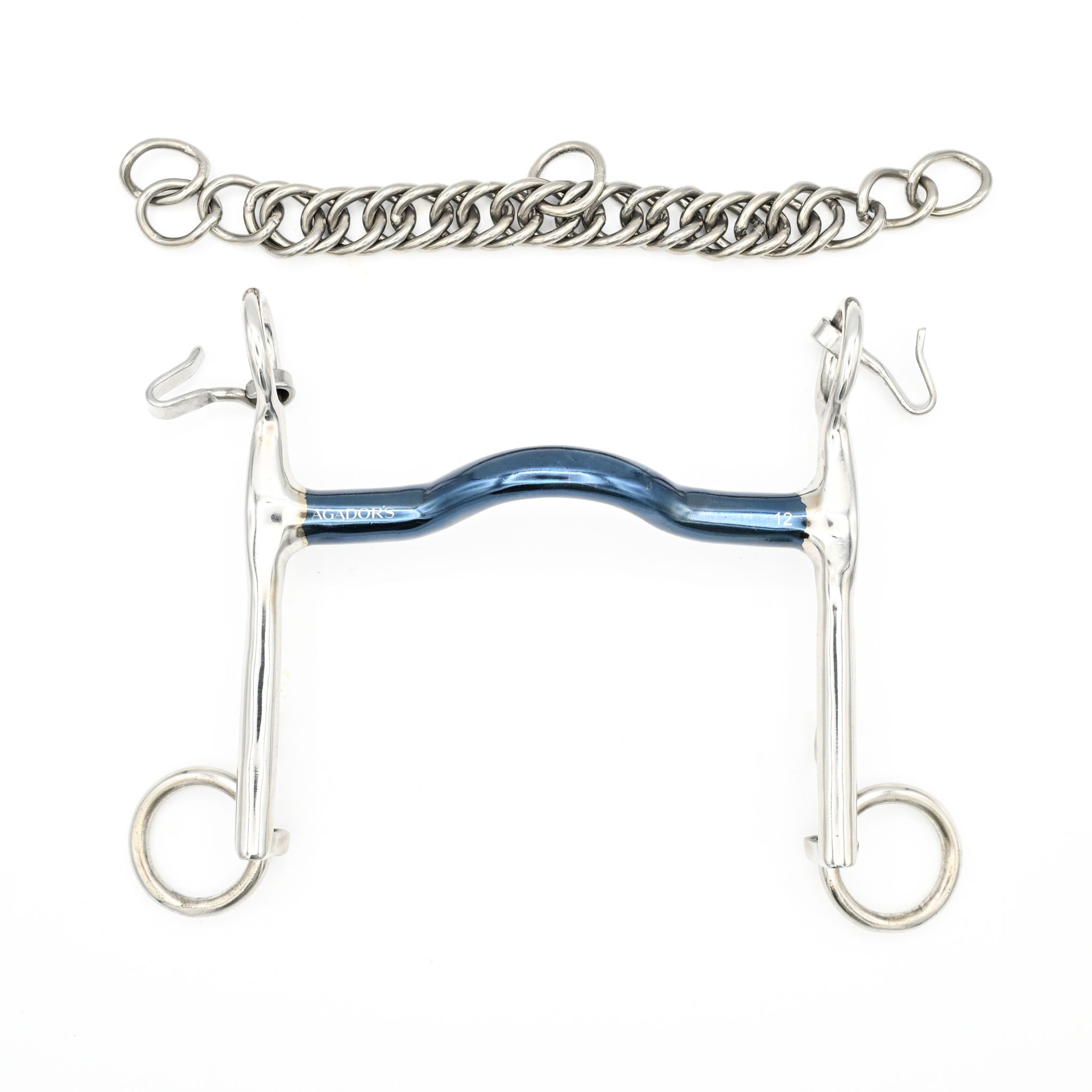
Final SaleSave 44% BlueCrest WeymouthBlueCrest Weymouth
BlueCrest Weymouth (Final Sale) Sale price$49.90 CAD Regular price$89.90 CAD

narrow-ported sweet iron Weymouth for balanced curb aids

for collection in a double bridle
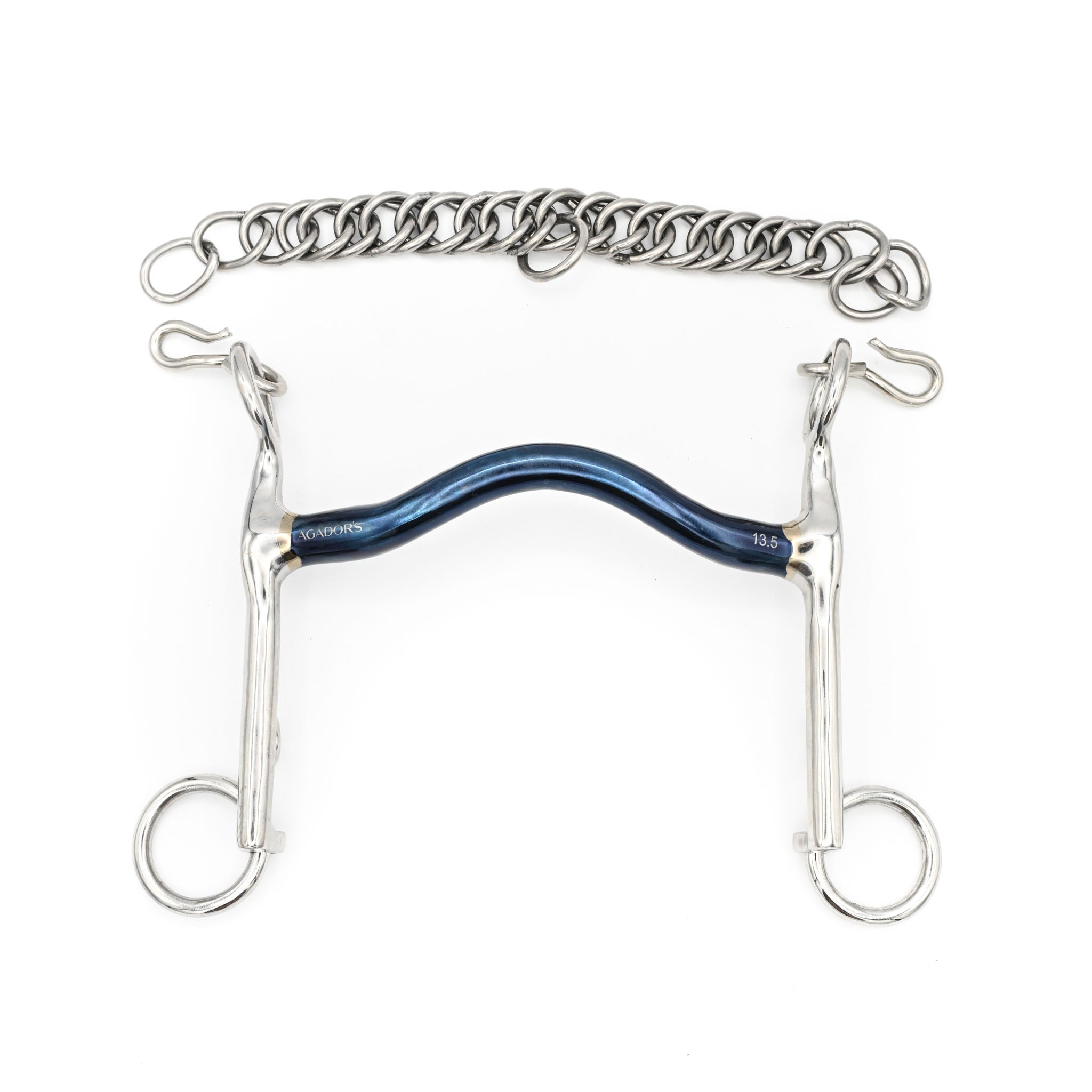
BlueWave WeymouthBlueWave Weymouth
BlueWave Weymouth Sale price$89.90 CAD

wide port that prevents tongue compression

for collection in a double bridle

Final SaleSave 21% BlueWave WeymouthBlueWave Weymouth
BlueWave Weymouth (Demo Condition) Sale price$70.90 CAD Regular price$89.90 CAD

wide port that prevents tongue compression

for collection in a double bridle
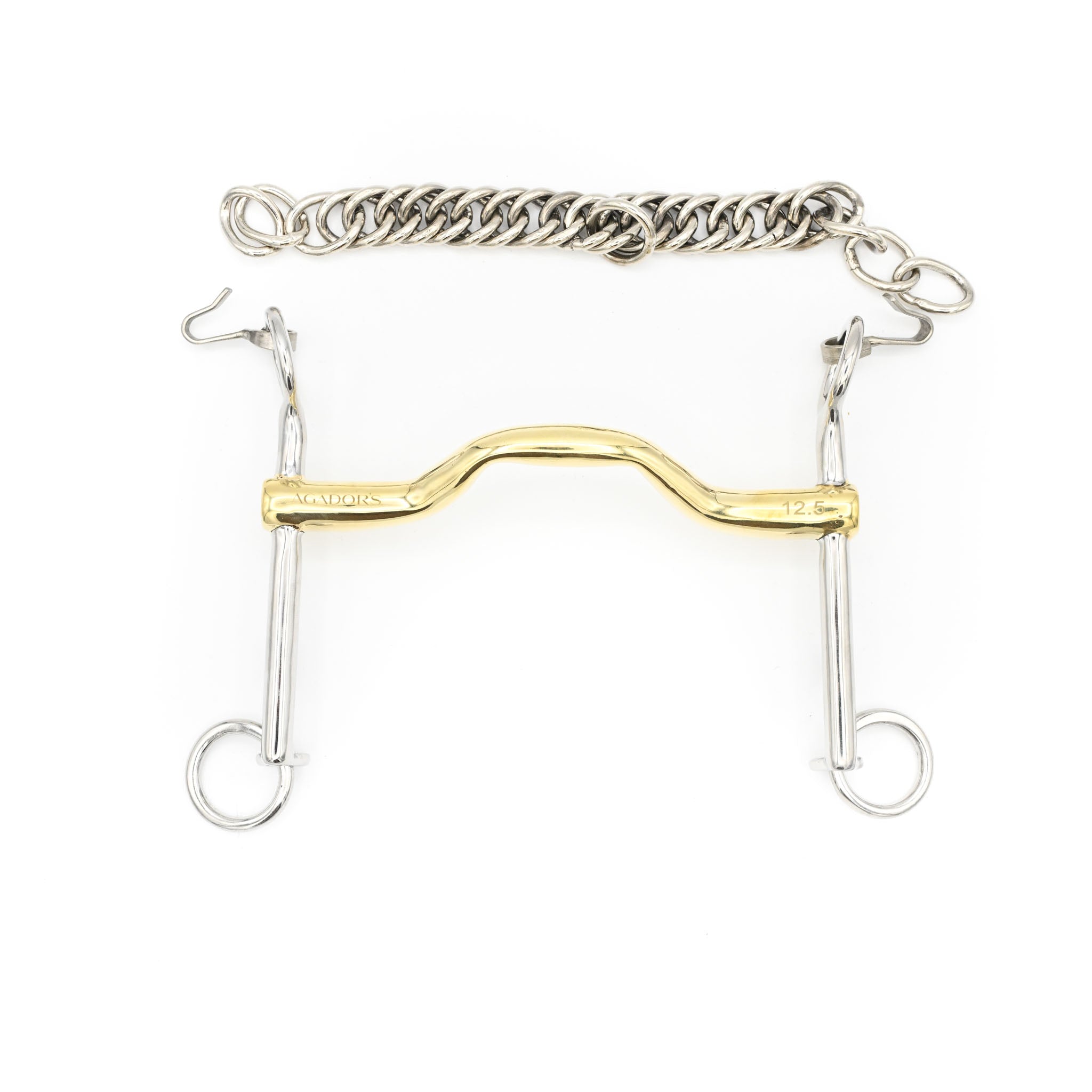
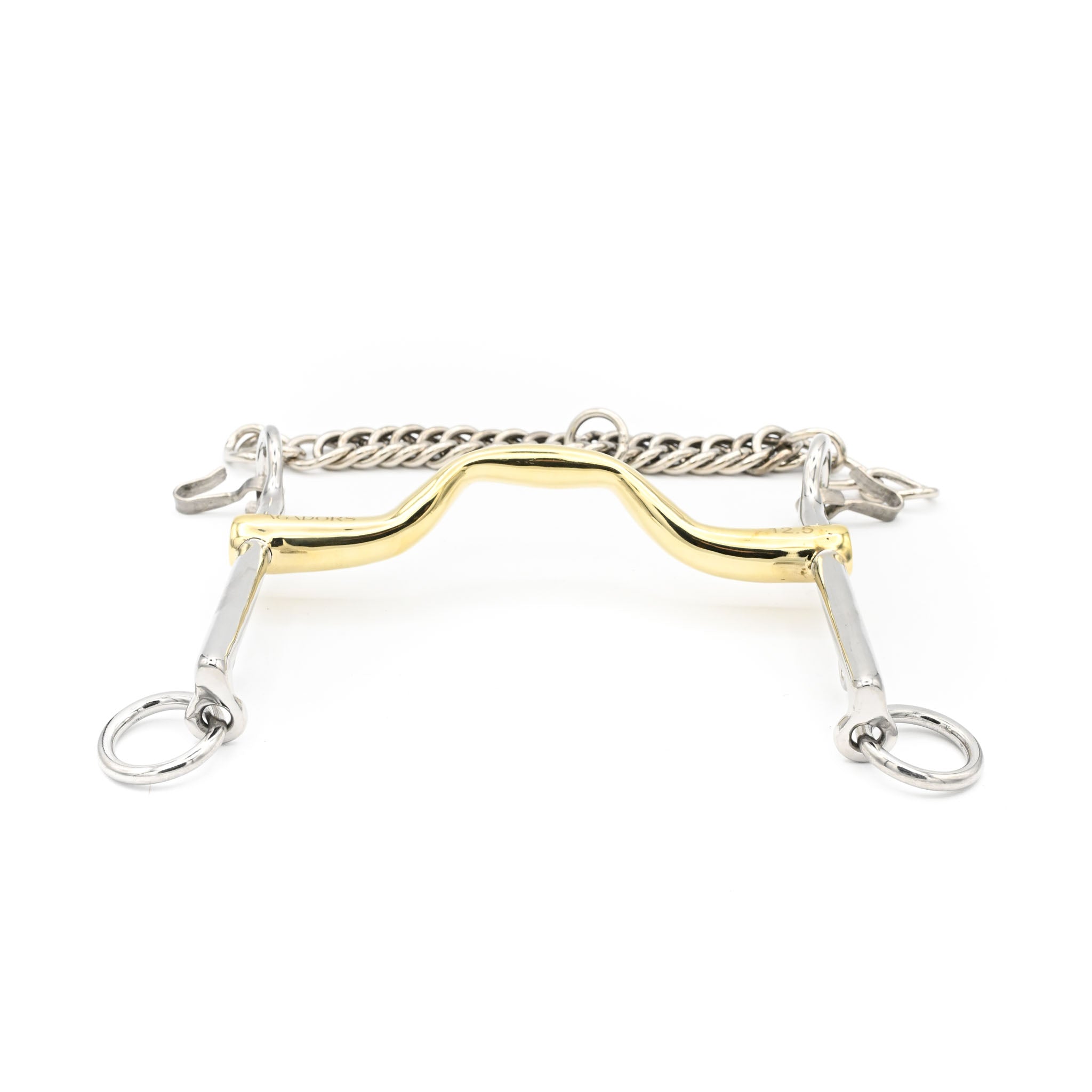
ComfortArch WeymouthComfortArch Weymouth
ComfortArch Weymouth Sale price$89.90 CAD

stable tongue relief without moving parts

for collection in a double bridle
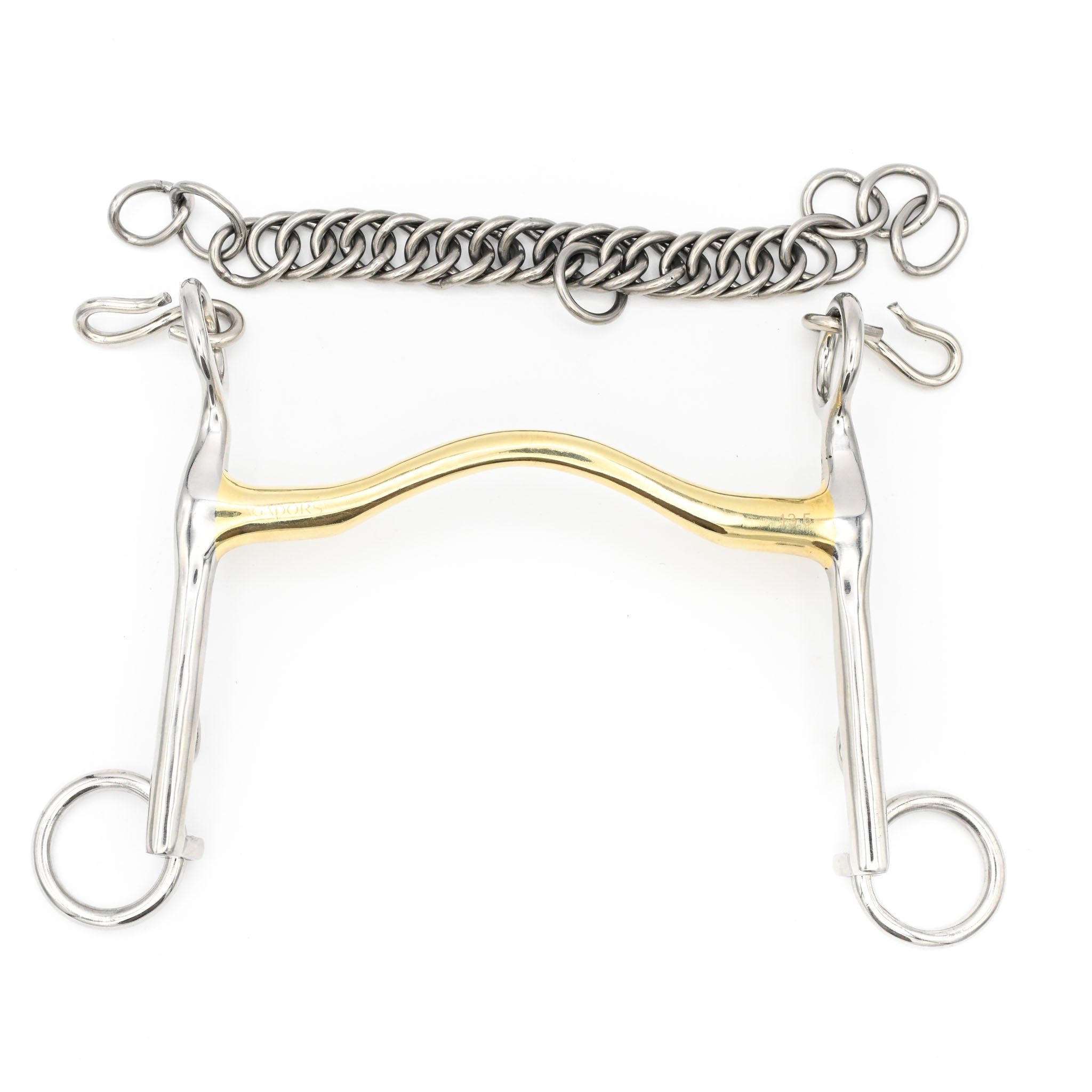
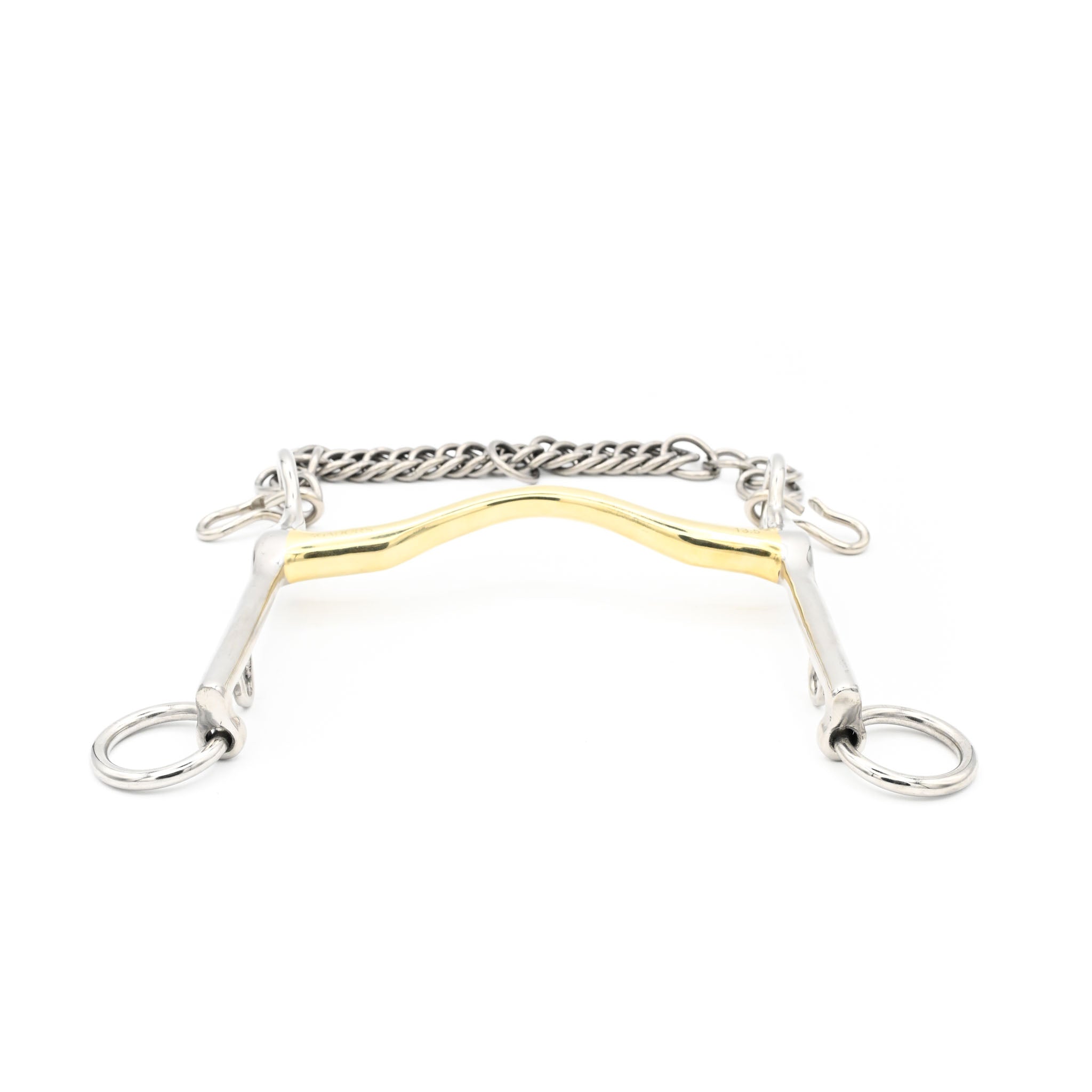
ComfortFlow WeymouthComfortFlow Weymouth
ComfortFlow Weymouth (5.0) Sale price$89.90 CAD

slim anatomical profile with tongue relief

for collection in a double bridle

Final SaleSave 39% ComfortFlow Weymouth (Final Sale)ComfortFlow Weymouth (Final Sale)
ComfortFlow Weymouth (Final Sale) Sale price$54.90 CAD Regular price$89.90 CAD

How To Wear It
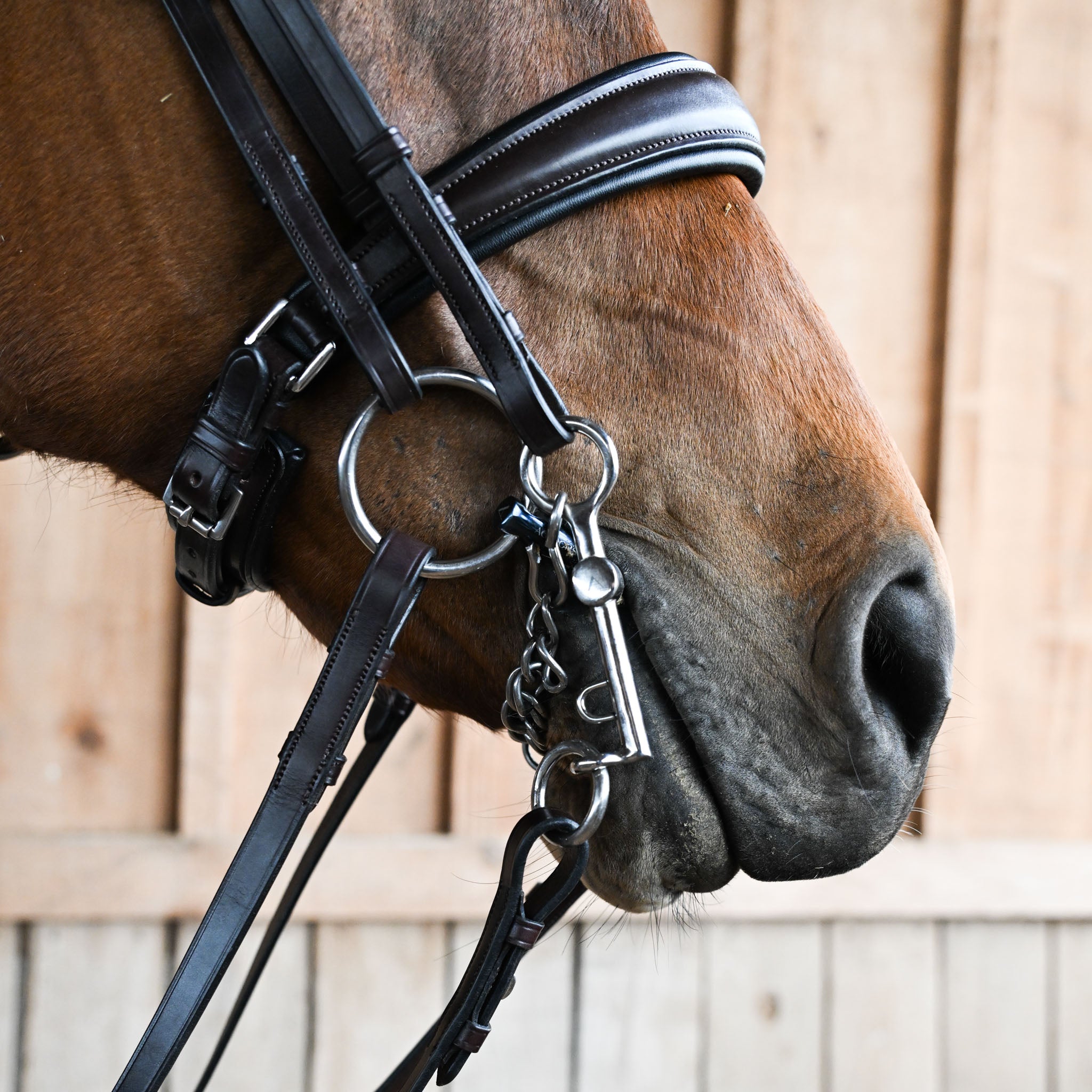
Setting up a double bridle requires careful attention to the fit of both bits. Both the Weymouth and bradoon must sit comfortably in the mouth at the same time without interference, and the curb chain must be correctly adjusted for the leverage action to work properly.

Fitting Both Bits

The bradoon should sit at a height that is comfortable for the horse. Some horses prefer it slightly higher, others slightly lower. The Weymouth sits slightly lower, across the bars below the bradoon. Both bits should lie flat and parallel in the mouth without touching each other or crossing.

For both bits, allow a gap of 3-5mm between the cheekpiece and the horse's face on both sides. If too much mouthpiece protrudes, the bit will shift and any movement of links or port will become uncomfortable. The cheekpieces must not rub or dig into the cheeks.

Curb Chain Fitting

Twist the curb chain flat and lay it in the chin groove. Adjust it so the Weymouth shanks can rotate no more than 45 degrees before the chain engages. The chain should not create any pressure when the horse's head is relaxed and the rider's hands are light.

Rein Contact and Use

The bradoon rein (usually the top rein held between index and middle finger) provides the primary contact. The Weymouth rein (lower, between ring and little finger) is used for refinement — to add collection, encourage jaw flexion, or deepen the contact. Begin with a light, almost passive contact on the Weymouth rein and only use it actively when needed.

Need help?

Frequently Asked Questions About Weymouth Curb Bits

Who should consider using Weymouth Curb Bits?

The Weymouth and double bridle are intended for advanced horses and riders. They are the tools of choice for upper-level dressage, classical riding, and traditional showing where the highest degree of refinement and collection is required.

Advanced Dressage Horses

The double bridle is required at Prix St. Georges and above in FEI dressage competition. At these levels, the refined aids of the Weymouth help achieve the collection, self-carriage, and subtle communication that upper-level movements demand. A horse is ready for the double bridle only when it is working consistently in a correct outline with soft, elastic contact on the snaffle.

Showing and Hack Classes

The double bridle is traditional in many showing classes and is valued for the classical appearance it provides, as well as the degree of control and finesse it affords in the ring. Show horses wearing a double bridle are expected to carry themselves with particular elegance and lightness.

Horses Ready for Collection Work

A Weymouth is not appropriate for every horse. The horse must have developed the physical strength, suppleness, and mental acceptance to accommodate two bits simultaneously and respond correctly to both reins. Introducing the double bridle too early can cause confusion, resistance, or mouth issues that are difficult to resolve.